Buy vipoptic.be ?
We are moving the project
vipoptic.be .
Are you interested in purchasing the domain
vipoptic.be ?
domain@kv-gmbh.de · 0541-91531010
Buy vipoptic.be ?
Did God create the embryo?
The belief that God created the embryo is a matter of faith and varies among different religious traditions. In many religious beliefs, it is believed that God is the ultimate creator of all life, including embryos. For example, in Christianity, it is believed that God is the creator of all life and that human life begins at conception. However, this belief is not universal, and there are differing views on when life begins and whether the embryo is directly created by God. Ultimately, the belief in God's role in creating the embryo is a deeply personal and spiritual matter. **
Does the embryo have no heartbeat?
No, the embryo does not have a heartbeat. The heartbeat typically begins to develop around 5-6 weeks of pregnancy, when the embryo is still very small and its heart is just starting to form. Prior to this time, the embryo relies on the mother's circulation for oxygen and nutrients. Once the heart begins to beat, it is a significant milestone in the development of the embryo. **
Similar search terms for Embryo
Top-Angebote
Products related to Embryo:
-
Chicco Sunglasses 5 years+ lunettes de soleil Boy Black/Green 1 pcsChicco Sunglasses 5 years+, 1 pcs, Accessoires pour enfants pour enfant, Les yeux des enfants sont beaucoup plus sensibles aux rayons de soleil que ceux des adultes. Pensez à les protéger correctement. Les lunettes de soleil Chicco Sunglasses 5 years+ protégeront la vue des tout-petits, qu’ils gambadent en pleine nature ou se promènent en ville. Le produit : filtre 100 % des UVA, UVB et UVC monture très légère monture flexible, branches qui ne se brisent pas et ne restent pas déformées accessoire pratique idéal pour les promenades et les sorties8,30 €*Shipping: 3,45 €Secure redirect to the provider
-
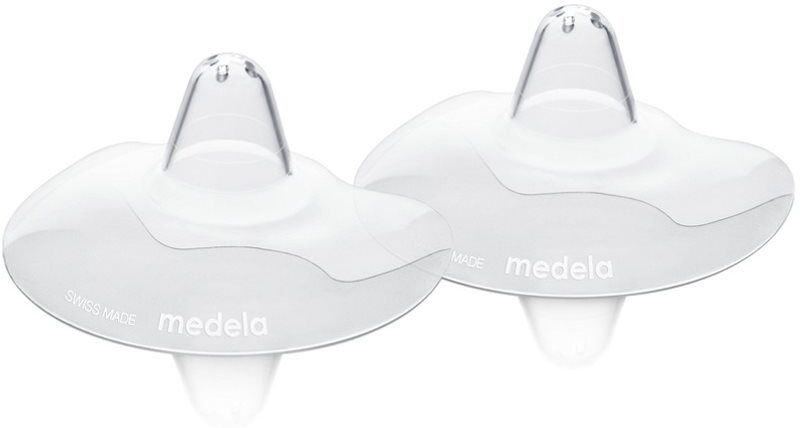
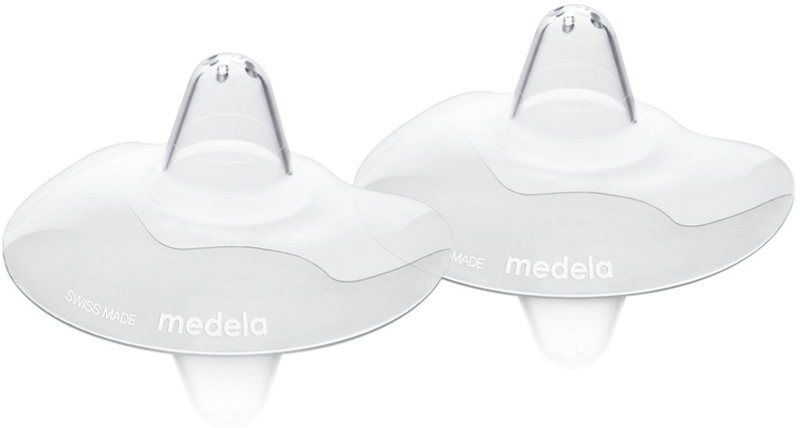
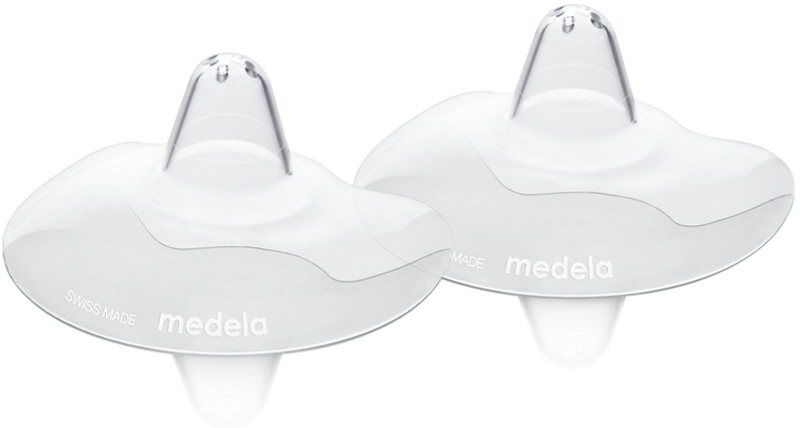
Medela Contact™ Nipple Shields protège-mamelons d’allaitement M (20 mm) 2 pcsMedela Contact™ Nipple Shields, 2 pcs, Protège-mamelons d’allaitement pour femme, Les chapeaux d'allaitement Medela Contact™ Nipple Shields vous aideront à résoudre les problèmes liés à la tétée de votre bébé. Grâce à la forme et au matériel spécialement étudiés, ce moment plein de tendresse entre maman et bébé sera beaucoup plus agréable. Le produit : protège les mamelons douloureux et fissurés corrige les mamelons mal orientés ou plats procure au bébé une sensation confortable et naturelle à chaque tétée protection de forme spéciale permettant au bébé de se blottir contre le sein de la mère pendant la tétée adhère parfaitement au sein en silicone souple15,67 €*Shipping: 3,45 €Secure redirect to the provider
-
Dettol Soft on Skin Kids No-Touch Refill recharge pour doseur de savon sans contact Honey & Vanilla 250 mlDettol Soft on Skin Kids No-Touch Refill, 250 ml, Savons pour femme, Pour les moments où vous devez compter sur des mains parfaitement propres, Dettol Soft on Skin Kids No-Touch Refill le savon est votre meilleure option. Il nettoie efficacement la peau et élimine toutes les impuretés. Le produit : nettoie la peau parfum frais et agréable activité antimicrobienne recharge de savon pour distributeur sans contact Mode d’emploi : Appliquer une quantité appropriée de savon sur la peau humide des mains, faire mousser puis rincer à l'eau.4,20 €*Shipping: 3,45 €Secure redirect to the provider


-
Is an embryo or fetus parasitic?
No, an embryo or fetus is not considered parasitic. While it is true that an embryo or fetus relies on the mother's body for nourishment and support during pregnancy, it is not a parasite. A parasite is an organism that lives in or on another organism (the host) and benefits at the host's expense. In contrast, the relationship between a mother and her developing baby is a natural and symbiotic one, where both parties benefit from the relationship. **
-
Is the embryo dead or not?
The status of an embryo as dead or alive depends on the specific circumstances. In general, an embryo is considered alive if it is developing and showing signs of growth and viability. However, if an embryo has ceased developing and does not show any signs of life, it may be considered dead. It is important to consult with medical professionals to determine the status of an embryo in a specific situation. **
-
Does an embryo go to heaven?
The question of whether an embryo goes to heaven is a matter of religious belief and interpretation. In some religious traditions, such as Christianity, there is debate and differing views on the status of embryos and when they are considered to have a soul. Some believe that embryos are considered to have a soul from the moment of conception and therefore would go to heaven if they do not survive. Others believe that the soul enters the body at a later stage of development. Ultimately, the belief about the fate of embryos is a deeply personal and religious matter. **
-
What is an embryo in the toilet?
An embryo in the toilet refers to the expulsion of a fertilized egg from the uterus during early stages of pregnancy. This can happen naturally as a result of a miscarriage or induced through medical procedures. Finding an embryo in the toilet can be a distressing experience for individuals and may require medical attention to ensure the health and well-being of the person involved. **
From when can an embryo feel pain?
The ability of an embryo to feel pain is a topic of debate among scientists and medical professionals. Some studies suggest that the neural pathways necessary for feeling pain may not be fully developed until the third trimester of pregnancy, around 24 weeks gestation. However, other research indicates that the ability to perceive pain may develop earlier, possibly around 20 weeks gestation. Ultimately, the exact point at which an embryo can feel pain is not definitively established and remains a complex and controversial issue. **
Can a mouse embryo still be saved?
Yes, a mouse embryo can potentially be saved through various techniques such as in vitro fertilization, embryo transfer, or cryopreservation. These methods can help to preserve and protect the embryo, allowing it to develop and potentially be implanted into a surrogate mother for further development. However, the success of saving a mouse embryo depends on various factors such as the health of the embryo, the expertise of the individuals handling the embryo, and the resources available for its care. **
Top-Angebote
Products related to Embryo:
-
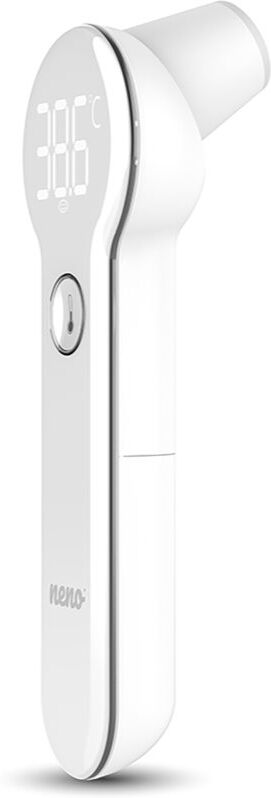
NENO Medic T08 thermomètre sans contact 1 pcsNENO Medic T08, 1 pcs, Thermomètres pour enfants pour enfant, Pour bien prendre soin de bébé, vous devriez toujours avoir le thermomètre pour bébé NENO Medic T08 chez vous. Ce thermomètre vous aidera à déterminer facilement et rapidement la température de votre bébé Le produit : sans contact la température est mesurée en quelques secondes grand écran écran rétroéclairé signal sonore lorsque la température est élevée33,72 €*Shipping: 3,45 €Secure redirect to the provider
-
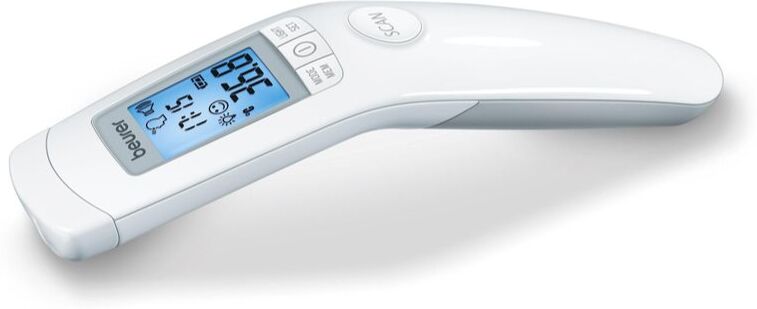
BEURER FT 90 thermomètre sans contact 1 pcsBEURER FT 90, 1 pcs, Thermomètres pour enfants pour homme, Le produit : sans contact fonction d’arrêt automatique écran rétroéclairé la température est mesurée en quelques secondes mesure la température à une distance de plusieurs centimètres signal sonore lorsque la température est élevée l’emballage comprend un étui grand écran mémoire de la dernière mesure signal sonore lorsque la mesure est terminée50,50 €*Shipping: 3,45 €Secure redirect to the provider
-
Chicco Sunglasses 5 years+ lunettes de soleil Boy Black/Green 1 pcsChicco Sunglasses 5 years+, 1 pcs, Accessoires pour enfants pour enfant, Les yeux des enfants sont beaucoup plus sensibles aux rayons de soleil que ceux des adultes. Pensez à les protéger correctement. Les lunettes de soleil Chicco Sunglasses 5 years+ protégeront la vue des tout-petits, qu’ils gambadent en pleine nature ou se promènent en ville. Le produit : filtre 100 % des UVA, UVB et UVC monture très légère monture flexible, branches qui ne se brisent pas et ne restent pas déformées accessoire pratique idéal pour les promenades et les sorties8,30 €*Shipping: 3,45 €Secure redirect to the provider
-
Did God create the embryo?
The belief that God created the embryo is a matter of faith and varies among different religious traditions. In many religious beliefs, it is believed that God is the ultimate creator of all life, including embryos. For example, in Christianity, it is believed that God is the creator of all life and that human life begins at conception. However, this belief is not universal, and there are differing views on when life begins and whether the embryo is directly created by God. Ultimately, the belief in God's role in creating the embryo is a deeply personal and spiritual matter. **
-
Does the embryo have no heartbeat?
No, the embryo does not have a heartbeat. The heartbeat typically begins to develop around 5-6 weeks of pregnancy, when the embryo is still very small and its heart is just starting to form. Prior to this time, the embryo relies on the mother's circulation for oxygen and nutrients. Once the heart begins to beat, it is a significant milestone in the development of the embryo. **
-
Is an embryo or fetus parasitic?
No, an embryo or fetus is not considered parasitic. While it is true that an embryo or fetus relies on the mother's body for nourishment and support during pregnancy, it is not a parasite. A parasite is an organism that lives in or on another organism (the host) and benefits at the host's expense. In contrast, the relationship between a mother and her developing baby is a natural and symbiotic one, where both parties benefit from the relationship. **
-
Is the embryo dead or not?
The status of an embryo as dead or alive depends on the specific circumstances. In general, an embryo is considered alive if it is developing and showing signs of growth and viability. However, if an embryo has ceased developing and does not show any signs of life, it may be considered dead. It is important to consult with medical professionals to determine the status of an embryo in a specific situation. **
Similar search terms for Embryo
-
Medela Contact™ Nipple Shields protège-mamelons d’allaitement M (20 mm) 2 pcsMedela Contact™ Nipple Shields, 2 pcs, Protège-mamelons d’allaitement pour femme, Les chapeaux d'allaitement Medela Contact™ Nipple Shields vous aideront à résoudre les problèmes liés à la tétée de votre bébé. Grâce à la forme et au matériel spécialement étudiés, ce moment plein de tendresse entre maman et bébé sera beaucoup plus agréable. Le produit : protège les mamelons douloureux et fissurés corrige les mamelons mal orientés ou plats procure au bébé une sensation confortable et naturelle à chaque tétée protection de forme spéciale permettant au bébé de se blottir contre le sein de la mère pendant la tétée adhère parfaitement au sein en silicone souple15,67 €*Shipping: 3,45 €Secure redirect to the provider
-
Dettol Soft on Skin Kids No-Touch Refill recharge pour doseur de savon sans contact Honey & Vanilla 250 mlDettol Soft on Skin Kids No-Touch Refill, 250 ml, Savons pour femme, Pour les moments où vous devez compter sur des mains parfaitement propres, Dettol Soft on Skin Kids No-Touch Refill le savon est votre meilleure option. Il nettoie efficacement la peau et élimine toutes les impuretés. Le produit : nettoie la peau parfum frais et agréable activité antimicrobienne recharge de savon pour distributeur sans contact Mode d’emploi : Appliquer une quantité appropriée de savon sur la peau humide des mains, faire mousser puis rincer à l'eau.4,20 €*Shipping: 3,45 €Secure redirect to the provider
-
Medela Contact™ Nipple Shields protège-mamelons d’allaitement S (16 mm) 2 pcsMedela Contact™ Nipple Shields, 2 pcs, Protège-mamelons d’allaitement pour femme, Les chapeaux d'allaitement Medela Contact™ Nipple Shields vous aideront à résoudre les problèmes liés à la tétée de votre bébé. Grâce à la forme et au matériel spécialement étudiés, ce moment plein de tendresse entre maman et bébé sera beaucoup plus agréable. Le produit : protège les mamelons douloureux et fissurés corrige les mamelons mal orientés ou plats procure au bébé une sensation confortable et naturelle à chaque tétée protection de forme spéciale permettant au bébé de se blottir contre le sein de la mère pendant la tétée adhère parfaitement au sein en silicone souple15,67 €*Shipping: 3,45 €Secure redirect to the provider
-
Medela Contact™ Nipple Shields protège-mamelons d’allaitement L (24 mm) 2 pcsMedela Contact™ Nipple Shields, 2 pcs, Protège-mamelons d’allaitement pour femme, Les chapeaux d'allaitement Medela Contact™ Nipple Shields vous aideront à résoudre les problèmes liés à la tétée de votre bébé. Grâce à la forme et au matériel spécialement étudiés, ce moment plein de tendresse entre maman et bébé sera beaucoup plus agréable. Le produit : protège les mamelons douloureux et fissurés corrige les mamelons mal orientés ou plats procure au bébé une sensation confortable et naturelle à chaque tétée protection de forme spéciale permettant au bébé de se blottir contre le sein de la mère pendant la tétée adhère parfaitement au sein en silicone souple15,67 €*Shipping: 3,45 €Secure redirect to the provider
-
Does an embryo go to heaven?
The question of whether an embryo goes to heaven is a matter of religious belief and interpretation. In some religious traditions, such as Christianity, there is debate and differing views on the status of embryos and when they are considered to have a soul. Some believe that embryos are considered to have a soul from the moment of conception and therefore would go to heaven if they do not survive. Others believe that the soul enters the body at a later stage of development. Ultimately, the belief about the fate of embryos is a deeply personal and religious matter. **
-
What is an embryo in the toilet?
An embryo in the toilet refers to the expulsion of a fertilized egg from the uterus during early stages of pregnancy. This can happen naturally as a result of a miscarriage or induced through medical procedures. Finding an embryo in the toilet can be a distressing experience for individuals and may require medical attention to ensure the health and well-being of the person involved. **
-
From when can an embryo feel pain?
The ability of an embryo to feel pain is a topic of debate among scientists and medical professionals. Some studies suggest that the neural pathways necessary for feeling pain may not be fully developed until the third trimester of pregnancy, around 24 weeks gestation. However, other research indicates that the ability to perceive pain may develop earlier, possibly around 20 weeks gestation. Ultimately, the exact point at which an embryo can feel pain is not definitively established and remains a complex and controversial issue. **
-
Can a mouse embryo still be saved?
Yes, a mouse embryo can potentially be saved through various techniques such as in vitro fertilization, embryo transfer, or cryopreservation. These methods can help to preserve and protect the embryo, allowing it to develop and potentially be implanted into a surrogate mother for further development. However, the success of saving a mouse embryo depends on various factors such as the health of the embryo, the expertise of the individuals handling the embryo, and the resources available for its care. **
* All prices are inclusive of VAT and, if applicable, plus shipping costs. The offer information is based on the details provided by the respective shop and is updated through automated processes. Real-time updates do not occur, so deviations can occur in individual cases. ** Note: Parts of this content were created by AI.