Buy vipoptic.be ?
We are moving the project
vipoptic.be .
Are you interested in purchasing the domain
vipoptic.be ?
domain@kv-gmbh.de · 0541-91531010
Buy vipoptic.be ?
What is wastewater?
Wastewater is any water that has been used in various human activities and has become contaminated with pollutants, chemicals, or other harmful substances. This can include water from households, industries, agriculture, or stormwater runoff. Wastewater must be treated before it can be safely released back into the environment to prevent pollution and protect public health. Treatment processes typically involve removing contaminants and pathogens to ensure the water is safe for reuse or disposal. **
Does wastewater and toilet wastewater flow in the same channel?
No, wastewater and toilet wastewater do not flow in the same channel. Wastewater from sinks, showers, and washing machines typically flows in one channel, while toilet wastewater flows in a separate channel. This separation is important for proper treatment and disposal of the different types of wastewater. Mixing the two types of wastewater can lead to contamination and environmental issues. **


Similar search terms for Wastewater
Top-Angebote
Products related to Wastewater:
-
Chicco Sunglasses 5 years+ lunettes de soleil Girl Blue/Pink 1 pcsChicco Sunglasses 5 years+, 1 pcs, Accessoires pour enfants pour enfant, Les yeux des enfants sont beaucoup plus sensibles aux rayons de soleil que ceux des adultes. Pensez à les protéger correctement. Les lunettes de soleil Chicco Sunglasses 5 years+ protégeront la vue des tout-petits, qu’ils gambadent en pleine nature ou se promènent en ville. Le produit : filtre 100 % des UVA, UVB et UVC monture très légère monture flexible, branches qui ne se brisent pas et ne restent pas déformées accessoire pratique idéal pour les promenades et les sorties8,30 €*Shipping: 3,45 €Secure redirect to the provider
-
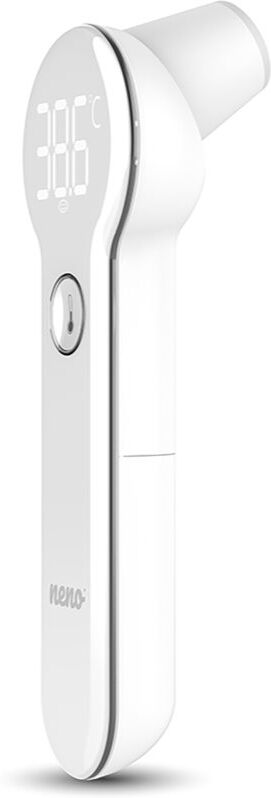
NENO Medic T08 thermomètre sans contact 1 pcsNENO Medic T08, 1 pcs, Thermomètres pour enfants pour enfant, Pour bien prendre soin de bébé, vous devriez toujours avoir le thermomètre pour bébé NENO Medic T08 chez vous. Ce thermomètre vous aidera à déterminer facilement et rapidement la température de votre bébé Le produit : sans contact la température est mesurée en quelques secondes grand écran écran rétroéclairé signal sonore lorsque la température est élevée33,72 €*Shipping: 3,45 €Secure redirect to the provider
-
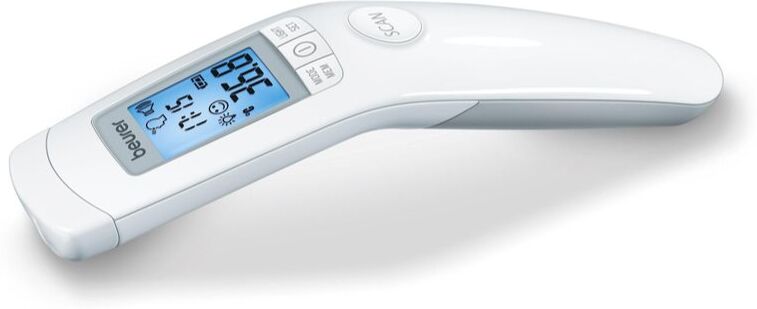
BEURER FT 90 thermomètre sans contact 1 pcsBEURER FT 90, 1 pcs, Thermomètres pour enfants pour homme, Le produit : sans contact fonction d’arrêt automatique écran rétroéclairé la température est mesurée en quelques secondes mesure la température à une distance de plusieurs centimètres signal sonore lorsque la température est élevée l’emballage comprend un étui grand écran mémoire de la dernière mesure signal sonore lorsque la mesure est terminée50,50 €*Shipping: 3,45 €Secure redirect to the provider
-
Lionelo Care Feverscan thermomètre sans contact 1 pcsLionelo Care Feverscan, 1 pcs, Thermomètres pour enfants pour femme, Pour bien prendre soin de bébé, vous devriez toujours avoir le thermomètre pour bébé Lionelo Care Feverscan chez vous. Ce thermomètre vous aidera à déterminer facilement et rapidement la température de votre bébé Le produit : sans contact écran rétroéclairé mémoire de la dernière mesure fonction d’arrêt automatique grand écran la température est mesurée en quelques secondes l’emballage comprend un étui24,61 €*Shipping: 3,45 €Secure redirect to the provider


-
Does wastewater and toilet wastewater flow in the same sewer?
Yes, wastewater and toilet wastewater typically flow in the same sewer system. Both types of wastewater are carried away from homes and buildings through a network of underground pipes that lead to a treatment facility. At the treatment facility, the wastewater is processed and treated before being released back into the environment. **
-
Which wastewater hose does the wastewater from the sink and washing machine flow into?
The wastewater from the sink and washing machine typically flows into a greywater hose. Greywater hoses are specifically designed to handle wastewater from sources like sinks, showers, and washing machines, which do not contain sewage. These hoses help to divert greywater away from the main sewage system, reducing the strain on wastewater treatment plants and conserving water resources. **
-
Into which wastewater hose does the wastewater from the sink and washing machine flow?
The wastewater from the sink and washing machine flows into the gray water hose. This hose is specifically designed to carry wastewater from sources that do not contain human waste, such as the kitchen sink and laundry machine. Gray water can be reused for purposes like watering plants or flushing toilets, making it a more sustainable option compared to black water. **
-
Is salt in wastewater a problem?
Yes, salt in wastewater can be a problem for several reasons. High levels of salt can harm aquatic life and disrupt the balance of ecosystems in receiving waters. It can also corrode infrastructure and equipment in wastewater treatment plants, leading to increased maintenance and repair costs. Additionally, high salt levels in treated wastewater can make it more difficult to reuse or discharge into the environment, requiring additional treatment processes. Therefore, managing and reducing salt in wastewater is important for protecting the environment and ensuring the effectiveness of wastewater treatment systems. **

Why is the wastewater hose dripping?
The wastewater hose may be dripping due to a leak in the hose or a loose connection at the point where it attaches to the RV or other plumbing system. It could also be caused by a buildup of pressure in the hose, leading to small leaks. Additionally, the hose may be old or damaged, leading to cracks or holes that allow water to escape. Regular inspection and maintenance of the hose can help prevent dripping and potential water damage. **
How are flexible wastewater hoses installed?
Flexible wastewater hoses are installed by first measuring the distance between the wastewater source and the drain. Then, the hose is cut to the appropriate length using a sharp utility knife. Next, the hose is connected to the wastewater source and the drain using hose clamps or other appropriate connectors. Finally, the hose is secured in place to prevent any kinks or bends that could impede the flow of wastewater. **
Top-Angebote
Products related to Wastewater:
-
Chicco Sunglasses 5 years+ lunettes de soleil Girl Blue/Pink 1 pcsChicco Sunglasses 5 years+, 1 pcs, Accessoires pour enfants pour enfant, Les yeux des enfants sont beaucoup plus sensibles aux rayons de soleil que ceux des adultes. Pensez à les protéger correctement. Les lunettes de soleil Chicco Sunglasses 5 years+ protégeront la vue des tout-petits, qu’ils gambadent en pleine nature ou se promènent en ville. Le produit : filtre 100 % des UVA, UVB et UVC monture très légère monture flexible, branches qui ne se brisent pas et ne restent pas déformées accessoire pratique idéal pour les promenades et les sorties8,30 €*Shipping: 3,45 €Secure redirect to the provider
-
NENO Medic T08 thermomètre sans contact 1 pcsNENO Medic T08, 1 pcs, Thermomètres pour enfants pour enfant, Pour bien prendre soin de bébé, vous devriez toujours avoir le thermomètre pour bébé NENO Medic T08 chez vous. Ce thermomètre vous aidera à déterminer facilement et rapidement la température de votre bébé Le produit : sans contact la température est mesurée en quelques secondes grand écran écran rétroéclairé signal sonore lorsque la température est élevée33,72 €*Shipping: 3,45 €Secure redirect to the provider
-
What is wastewater?
Wastewater is any water that has been used in various human activities and has become contaminated with pollutants, chemicals, or other harmful substances. This can include water from households, industries, agriculture, or stormwater runoff. Wastewater must be treated before it can be safely released back into the environment to prevent pollution and protect public health. Treatment processes typically involve removing contaminants and pathogens to ensure the water is safe for reuse or disposal. **
-
Does wastewater and toilet wastewater flow in the same channel?
No, wastewater and toilet wastewater do not flow in the same channel. Wastewater from sinks, showers, and washing machines typically flows in one channel, while toilet wastewater flows in a separate channel. This separation is important for proper treatment and disposal of the different types of wastewater. Mixing the two types of wastewater can lead to contamination and environmental issues. **
-
Does wastewater and toilet wastewater flow in the same sewer?
Yes, wastewater and toilet wastewater typically flow in the same sewer system. Both types of wastewater are carried away from homes and buildings through a network of underground pipes that lead to a treatment facility. At the treatment facility, the wastewater is processed and treated before being released back into the environment. **
-
Which wastewater hose does the wastewater from the sink and washing machine flow into?
The wastewater from the sink and washing machine typically flows into a greywater hose. Greywater hoses are specifically designed to handle wastewater from sources like sinks, showers, and washing machines, which do not contain sewage. These hoses help to divert greywater away from the main sewage system, reducing the strain on wastewater treatment plants and conserving water resources. **
Similar search terms for Wastewater
-
BEURER FT 90 thermomètre sans contact 1 pcsBEURER FT 90, 1 pcs, Thermomètres pour enfants pour homme, Le produit : sans contact fonction d’arrêt automatique écran rétroéclairé la température est mesurée en quelques secondes mesure la température à une distance de plusieurs centimètres signal sonore lorsque la température est élevée l’emballage comprend un étui grand écran mémoire de la dernière mesure signal sonore lorsque la mesure est terminée50,50 €*Shipping: 3,45 €Secure redirect to the provider
-
Lionelo Care Feverscan thermomètre sans contact 1 pcsLionelo Care Feverscan, 1 pcs, Thermomètres pour enfants pour femme, Pour bien prendre soin de bébé, vous devriez toujours avoir le thermomètre pour bébé Lionelo Care Feverscan chez vous. Ce thermomètre vous aidera à déterminer facilement et rapidement la température de votre bébé Le produit : sans contact écran rétroéclairé mémoire de la dernière mesure fonction d’arrêt automatique grand écran la température est mesurée en quelques secondes l’emballage comprend un étui24,61 €*Shipping: 3,45 €Secure redirect to the provider
-
Into which wastewater hose does the wastewater from the sink and washing machine flow?
The wastewater from the sink and washing machine flows into the gray water hose. This hose is specifically designed to carry wastewater from sources that do not contain human waste, such as the kitchen sink and laundry machine. Gray water can be reused for purposes like watering plants or flushing toilets, making it a more sustainable option compared to black water. **
-
Is salt in wastewater a problem?
Yes, salt in wastewater can be a problem for several reasons. High levels of salt can harm aquatic life and disrupt the balance of ecosystems in receiving waters. It can also corrode infrastructure and equipment in wastewater treatment plants, leading to increased maintenance and repair costs. Additionally, high salt levels in treated wastewater can make it more difficult to reuse or discharge into the environment, requiring additional treatment processes. Therefore, managing and reducing salt in wastewater is important for protecting the environment and ensuring the effectiveness of wastewater treatment systems. **
-
Why is the wastewater hose dripping?
The wastewater hose may be dripping due to a leak in the hose or a loose connection at the point where it attaches to the RV or other plumbing system. It could also be caused by a buildup of pressure in the hose, leading to small leaks. Additionally, the hose may be old or damaged, leading to cracks or holes that allow water to escape. Regular inspection and maintenance of the hose can help prevent dripping and potential water damage. **
-
How are flexible wastewater hoses installed?
Flexible wastewater hoses are installed by first measuring the distance between the wastewater source and the drain. Then, the hose is cut to the appropriate length using a sharp utility knife. Next, the hose is connected to the wastewater source and the drain using hose clamps or other appropriate connectors. Finally, the hose is secured in place to prevent any kinks or bends that could impede the flow of wastewater. **
* All prices are inclusive of VAT and, if applicable, plus shipping costs. The offer information is based on the details provided by the respective shop and is updated through automated processes. Real-time updates do not occur, so deviations can occur in individual cases. ** Note: Parts of this content were created by AI.