Buy vipoptic.be ?
We are moving the project
vipoptic.be .
Are you interested in purchasing the domain
vipoptic.be ?
domain@kv-gmbh.de · 0541-91531010
Buy vipoptic.be ?
What are the differences between respiratory muscles and accessory respiratory muscles?
Respiratory muscles are the primary muscles involved in the process of breathing, including the diaphragm and intercostal muscles. These muscles are essential for the expansion and contraction of the lungs during inhalation and exhalation. On the other hand, accessory respiratory muscles are secondary muscles that can assist in breathing when the primary respiratory muscles are under increased demand or compromised. Accessory respiratory muscles include muscles in the neck, shoulders, and chest, and they help to further expand the chest cavity and aid in breathing during times of increased respiratory effort or when there is airway obstruction. **
What is respiratory depression?
Respiratory depression is a condition in which a person's breathing becomes dangerously slow or shallow, leading to decreased oxygen levels in the blood. This can be caused by the use of certain medications, such as opioids or sedatives, which can suppress the body's natural drive to breathe. Respiratory depression can be life-threatening and requires immediate medical attention. Symptoms may include confusion, drowsiness, and bluish skin or lips. **
Similar search terms for Respiratory
Top-Angebote
Products related to Respiratory:
-
Chicco Sunglasses 5 years+ lunettes de soleil Boy Black/Green 1 pcsChicco Sunglasses 5 years+, 1 pcs, Accessoires pour enfants pour enfant, Les yeux des enfants sont beaucoup plus sensibles aux rayons de soleil que ceux des adultes. Pensez à les protéger correctement. Les lunettes de soleil Chicco Sunglasses 5 years+ protégeront la vue des tout-petits, qu’ils gambadent en pleine nature ou se promènent en ville. Le produit : filtre 100 % des UVA, UVB et UVC monture très légère monture flexible, branches qui ne se brisent pas et ne restent pas déformées accessoire pratique idéal pour les promenades et les sorties8,30 €*Shipping: 3,45 €Secure redirect to the provider
-
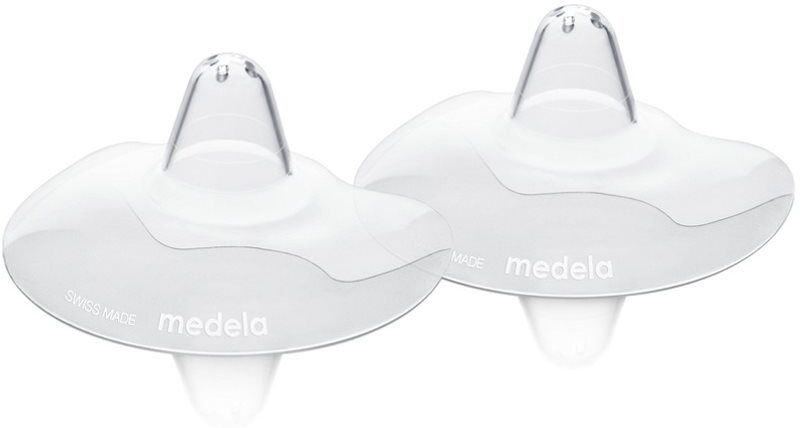
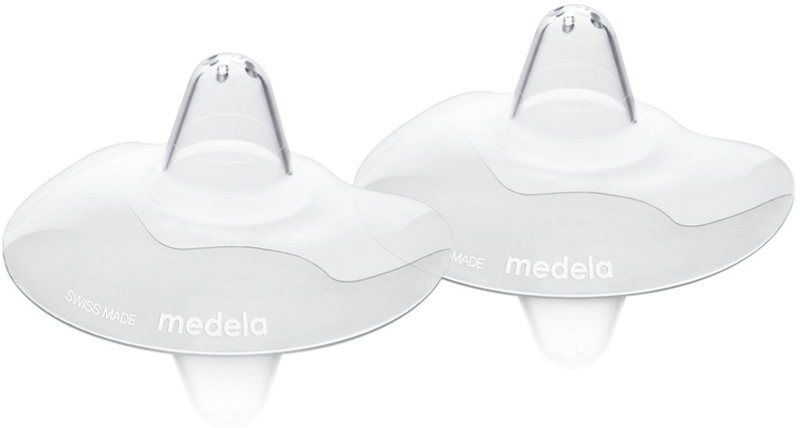
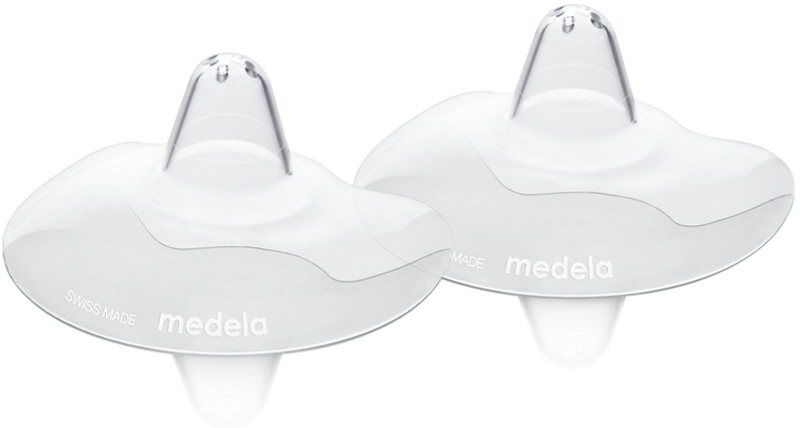
Medela Contact™ Nipple Shields protège-mamelons d’allaitement M (20 mm) 2 pcsMedela Contact™ Nipple Shields, 2 pcs, Protège-mamelons d’allaitement pour femme, Les chapeaux d'allaitement Medela Contact™ Nipple Shields vous aideront à résoudre les problèmes liés à la tétée de votre bébé. Grâce à la forme et au matériel spécialement étudiés, ce moment plein de tendresse entre maman et bébé sera beaucoup plus agréable. Le produit : protège les mamelons douloureux et fissurés corrige les mamelons mal orientés ou plats procure au bébé une sensation confortable et naturelle à chaque tétée protection de forme spéciale permettant au bébé de se blottir contre le sein de la mère pendant la tétée adhère parfaitement au sein en silicone souple15,67 €*Shipping: 3,45 €Secure redirect to the provider
-
Dettol Soft on Skin Kids No-Touch Refill recharge pour doseur de savon sans contact Honey & Vanilla 250 mlDettol Soft on Skin Kids No-Touch Refill, 250 ml, Savons pour femme, Pour les moments où vous devez compter sur des mains parfaitement propres, Dettol Soft on Skin Kids No-Touch Refill le savon est votre meilleure option. Il nettoie efficacement la peau et élimine toutes les impuretés. Le produit : nettoie la peau parfum frais et agréable activité antimicrobienne recharge de savon pour distributeur sans contact Mode d’emploi : Appliquer une quantité appropriée de savon sur la peau humide des mains, faire mousser puis rincer à l'eau.4,20 €*Shipping: 3,45 €Secure redirect to the provider


-
What is the respiratory quotient?
The respiratory quotient (RQ) is a ratio that represents the amount of carbon dioxide produced to the amount of oxygen consumed during cellular respiration. It provides information about the type of fuel being used by the body for energy production. An RQ of 1 indicates that carbohydrates are the primary fuel source, while an RQ of 0.7 indicates that fats are being used. The RQ can vary depending on the metabolic state of an individual, such as during exercise or fasting. **
-
What is the respiratory chain?
The respiratory chain is a series of protein complexes located in the inner mitochondrial membrane that are involved in the production of ATP, the cell's main energy source. These complexes work together to transfer electrons from molecules like NADH and FADH2 to oxygen, generating a proton gradient across the membrane. This proton gradient is used by ATP synthase to produce ATP through a process called oxidative phosphorylation. The respiratory chain is a crucial component of cellular respiration and plays a key role in generating energy for various cellular processes. **
-
Can you dye respiratory masks?
Yes, you can dye respiratory masks, but it is important to use dyes that are safe and non-toxic, as the mask will be worn close to the face and may come into contact with the skin. It is also important to follow the manufacturer's instructions for washing and care, as some dyes may affect the effectiveness of the mask's filtration. Additionally, be mindful of any regulations or guidelines regarding the coloring of respiratory masks, especially if they are being used in a professional or medical setting. **
-
What is the respiratory system?
The respiratory system is a network of organs and tissues that work together to help us breathe. It includes the nose, mouth, throat, voice box, windpipe, and lungs. The main function of the respiratory system is to take in oxygen from the air and expel carbon dioxide, a waste product of the body's cells. This process is essential for the body to function properly and for the cells to produce energy. **
What does the respiratory rate indicate?
The respiratory rate indicates how many breaths a person takes per minute. It is an important vital sign that can provide information about a person's overall health and lung function. A normal respiratory rate for adults is typically between 12-20 breaths per minute. Changes in respiratory rate can indicate various medical conditions such as respiratory distress, lung disease, or infections. Monitoring respiratory rate is crucial in assessing a person's respiratory status and response to treatment. **
How does the respiratory chain work?
The respiratory chain, also known as the electron transport chain, is a series of protein complexes located in the inner mitochondrial membrane. It plays a crucial role in the production of ATP, the cell's main energy source. The respiratory chain works by transferring electrons from electron donors (such as NADH and FADH2) to electron acceptors (such as oxygen) through a series of redox reactions. As electrons move through the chain, they release energy that is used to pump protons across the inner mitochondrial membrane, creating an electrochemical gradient. This gradient drives the ATP synthase enzyme to produce ATP from ADP and inorganic phosphate. In the final step of the respiratory chain, oxygen serves as the final electron acceptor, combining with protons to form water. Overall, the respiratory chain is responsible for generating the majority of ATP in aerobic organisms by harnessing the energy released from the transfer of electrons to create a proton gradient that drives ATP synthesis. **
Top-Angebote
Products related to Respiratory:
-
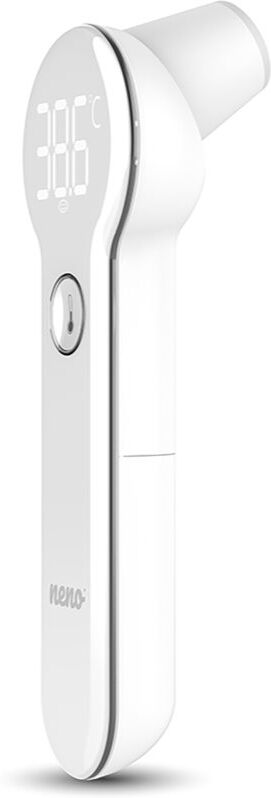
NENO Medic T08 thermomètre sans contact 1 pcsNENO Medic T08, 1 pcs, Thermomètres pour enfants pour enfant, Pour bien prendre soin de bébé, vous devriez toujours avoir le thermomètre pour bébé NENO Medic T08 chez vous. Ce thermomètre vous aidera à déterminer facilement et rapidement la température de votre bébé Le produit : sans contact la température est mesurée en quelques secondes grand écran écran rétroéclairé signal sonore lorsque la température est élevée33,72 €*Shipping: 3,45 €Secure redirect to the provider
-
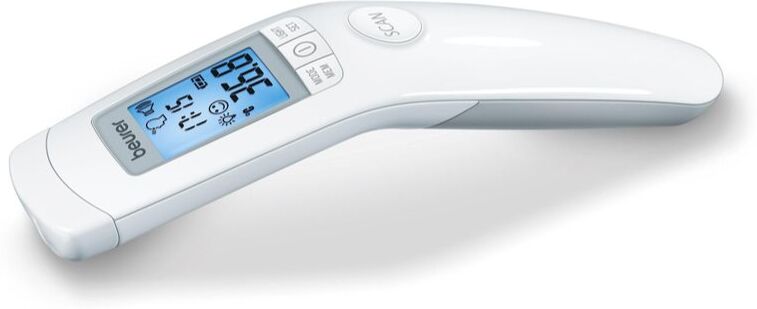
BEURER FT 90 thermomètre sans contact 1 pcsBEURER FT 90, 1 pcs, Thermomètres pour enfants pour homme, Le produit : sans contact fonction d’arrêt automatique écran rétroéclairé la température est mesurée en quelques secondes mesure la température à une distance de plusieurs centimètres signal sonore lorsque la température est élevée l’emballage comprend un étui grand écran mémoire de la dernière mesure signal sonore lorsque la mesure est terminée50,50 €*Shipping: 3,45 €Secure redirect to the provider
-
Chicco Sunglasses 5 years+ lunettes de soleil Boy Black/Green 1 pcsChicco Sunglasses 5 years+, 1 pcs, Accessoires pour enfants pour enfant, Les yeux des enfants sont beaucoup plus sensibles aux rayons de soleil que ceux des adultes. Pensez à les protéger correctement. Les lunettes de soleil Chicco Sunglasses 5 years+ protégeront la vue des tout-petits, qu’ils gambadent en pleine nature ou se promènent en ville. Le produit : filtre 100 % des UVA, UVB et UVC monture très légère monture flexible, branches qui ne se brisent pas et ne restent pas déformées accessoire pratique idéal pour les promenades et les sorties8,30 €*Shipping: 3,45 €Secure redirect to the provider
-
What are the differences between respiratory muscles and accessory respiratory muscles?
Respiratory muscles are the primary muscles involved in the process of breathing, including the diaphragm and intercostal muscles. These muscles are essential for the expansion and contraction of the lungs during inhalation and exhalation. On the other hand, accessory respiratory muscles are secondary muscles that can assist in breathing when the primary respiratory muscles are under increased demand or compromised. Accessory respiratory muscles include muscles in the neck, shoulders, and chest, and they help to further expand the chest cavity and aid in breathing during times of increased respiratory effort or when there is airway obstruction. **
-
What is respiratory depression?
Respiratory depression is a condition in which a person's breathing becomes dangerously slow or shallow, leading to decreased oxygen levels in the blood. This can be caused by the use of certain medications, such as opioids or sedatives, which can suppress the body's natural drive to breathe. Respiratory depression can be life-threatening and requires immediate medical attention. Symptoms may include confusion, drowsiness, and bluish skin or lips. **
-
What is the respiratory quotient?
The respiratory quotient (RQ) is a ratio that represents the amount of carbon dioxide produced to the amount of oxygen consumed during cellular respiration. It provides information about the type of fuel being used by the body for energy production. An RQ of 1 indicates that carbohydrates are the primary fuel source, while an RQ of 0.7 indicates that fats are being used. The RQ can vary depending on the metabolic state of an individual, such as during exercise or fasting. **
-
What is the respiratory chain?
The respiratory chain is a series of protein complexes located in the inner mitochondrial membrane that are involved in the production of ATP, the cell's main energy source. These complexes work together to transfer electrons from molecules like NADH and FADH2 to oxygen, generating a proton gradient across the membrane. This proton gradient is used by ATP synthase to produce ATP through a process called oxidative phosphorylation. The respiratory chain is a crucial component of cellular respiration and plays a key role in generating energy for various cellular processes. **
Similar search terms for Respiratory
-
Medela Contact™ Nipple Shields protège-mamelons d’allaitement M (20 mm) 2 pcsMedela Contact™ Nipple Shields, 2 pcs, Protège-mamelons d’allaitement pour femme, Les chapeaux d'allaitement Medela Contact™ Nipple Shields vous aideront à résoudre les problèmes liés à la tétée de votre bébé. Grâce à la forme et au matériel spécialement étudiés, ce moment plein de tendresse entre maman et bébé sera beaucoup plus agréable. Le produit : protège les mamelons douloureux et fissurés corrige les mamelons mal orientés ou plats procure au bébé une sensation confortable et naturelle à chaque tétée protection de forme spéciale permettant au bébé de se blottir contre le sein de la mère pendant la tétée adhère parfaitement au sein en silicone souple15,67 €*Shipping: 3,45 €Secure redirect to the provider
-
Dettol Soft on Skin Kids No-Touch Refill recharge pour doseur de savon sans contact Honey & Vanilla 250 mlDettol Soft on Skin Kids No-Touch Refill, 250 ml, Savons pour femme, Pour les moments où vous devez compter sur des mains parfaitement propres, Dettol Soft on Skin Kids No-Touch Refill le savon est votre meilleure option. Il nettoie efficacement la peau et élimine toutes les impuretés. Le produit : nettoie la peau parfum frais et agréable activité antimicrobienne recharge de savon pour distributeur sans contact Mode d’emploi : Appliquer une quantité appropriée de savon sur la peau humide des mains, faire mousser puis rincer à l'eau.4,20 €*Shipping: 3,45 €Secure redirect to the provider
-
Medela Contact™ Nipple Shields protège-mamelons d’allaitement S (16 mm) 2 pcsMedela Contact™ Nipple Shields, 2 pcs, Protège-mamelons d’allaitement pour femme, Les chapeaux d'allaitement Medela Contact™ Nipple Shields vous aideront à résoudre les problèmes liés à la tétée de votre bébé. Grâce à la forme et au matériel spécialement étudiés, ce moment plein de tendresse entre maman et bébé sera beaucoup plus agréable. Le produit : protège les mamelons douloureux et fissurés corrige les mamelons mal orientés ou plats procure au bébé une sensation confortable et naturelle à chaque tétée protection de forme spéciale permettant au bébé de se blottir contre le sein de la mère pendant la tétée adhère parfaitement au sein en silicone souple15,67 €*Shipping: 3,45 €Secure redirect to the provider
-
Medela Contact™ Nipple Shields protège-mamelons d’allaitement L (24 mm) 2 pcsMedela Contact™ Nipple Shields, 2 pcs, Protège-mamelons d’allaitement pour femme, Les chapeaux d'allaitement Medela Contact™ Nipple Shields vous aideront à résoudre les problèmes liés à la tétée de votre bébé. Grâce à la forme et au matériel spécialement étudiés, ce moment plein de tendresse entre maman et bébé sera beaucoup plus agréable. Le produit : protège les mamelons douloureux et fissurés corrige les mamelons mal orientés ou plats procure au bébé une sensation confortable et naturelle à chaque tétée protection de forme spéciale permettant au bébé de se blottir contre le sein de la mère pendant la tétée adhère parfaitement au sein en silicone souple15,67 €*Shipping: 3,45 €Secure redirect to the provider
-
Can you dye respiratory masks?
Yes, you can dye respiratory masks, but it is important to use dyes that are safe and non-toxic, as the mask will be worn close to the face and may come into contact with the skin. It is also important to follow the manufacturer's instructions for washing and care, as some dyes may affect the effectiveness of the mask's filtration. Additionally, be mindful of any regulations or guidelines regarding the coloring of respiratory masks, especially if they are being used in a professional or medical setting. **
-
What is the respiratory system?
The respiratory system is a network of organs and tissues that work together to help us breathe. It includes the nose, mouth, throat, voice box, windpipe, and lungs. The main function of the respiratory system is to take in oxygen from the air and expel carbon dioxide, a waste product of the body's cells. This process is essential for the body to function properly and for the cells to produce energy. **
-
What does the respiratory rate indicate?
The respiratory rate indicates how many breaths a person takes per minute. It is an important vital sign that can provide information about a person's overall health and lung function. A normal respiratory rate for adults is typically between 12-20 breaths per minute. Changes in respiratory rate can indicate various medical conditions such as respiratory distress, lung disease, or infections. Monitoring respiratory rate is crucial in assessing a person's respiratory status and response to treatment. **
-
How does the respiratory chain work?
The respiratory chain, also known as the electron transport chain, is a series of protein complexes located in the inner mitochondrial membrane. It plays a crucial role in the production of ATP, the cell's main energy source. The respiratory chain works by transferring electrons from electron donors (such as NADH and FADH2) to electron acceptors (such as oxygen) through a series of redox reactions. As electrons move through the chain, they release energy that is used to pump protons across the inner mitochondrial membrane, creating an electrochemical gradient. This gradient drives the ATP synthase enzyme to produce ATP from ADP and inorganic phosphate. In the final step of the respiratory chain, oxygen serves as the final electron acceptor, combining with protons to form water. Overall, the respiratory chain is responsible for generating the majority of ATP in aerobic organisms by harnessing the energy released from the transfer of electrons to create a proton gradient that drives ATP synthesis. **
* All prices are inclusive of VAT and, if applicable, plus shipping costs. The offer information is based on the details provided by the respective shop and is updated through automated processes. Real-time updates do not occur, so deviations can occur in individual cases. ** Note: Parts of this content were created by AI.