Buy vipoptic.be ?
We are moving the project
vipoptic.be .
Are you interested in purchasing the domain
vipoptic.be ?
domain@kv-gmbh.de · 0541-91531010
Buy vipoptic.be ?
What is the difference between proportional and inverse proportional?
Proportional and inverse proportional relationships are two types of relationships between two variables. In a proportional relationship, as one variable increases, the other variable also increases at a constant rate. This means that the ratio between the two variables remains the same. In an inverse proportional relationship, as one variable increases, the other variable decreases at a constant rate. This means that the product of the two variables remains constant. **
How can one recognize proportional and inverse proportional relationships?
Proportional relationships can be recognized when two quantities increase or decrease at the same rate. This means that when one quantity doubles, the other quantity also doubles. Inverse proportional relationships, on the other hand, can be recognized when one quantity increases while the other decreases at a constant rate, or vice versa. This means that when one quantity doubles, the other quantity is halved. One can recognize these relationships by plotting the data on a graph and observing if the points form a straight line through the origin for proportional relationships, or if the points form a curve for inverse proportional relationships. **


Similar search terms for Proportional
Top-Angebote
Products related to Proportional:
-
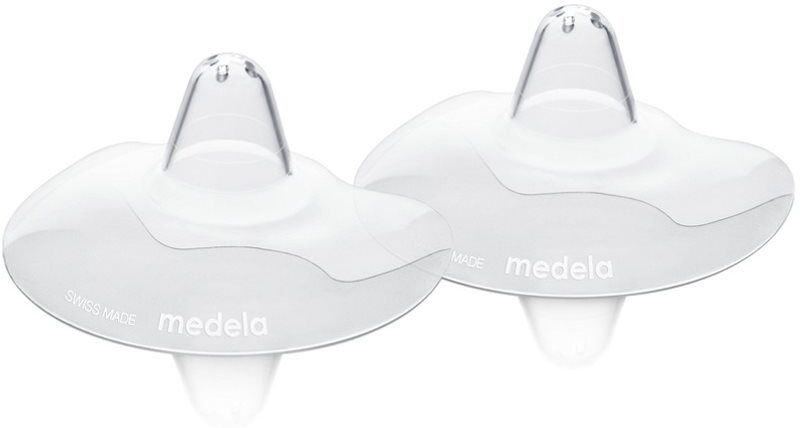
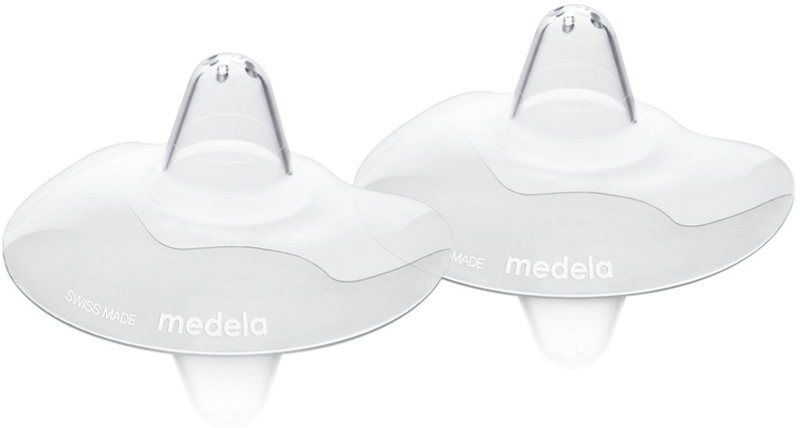
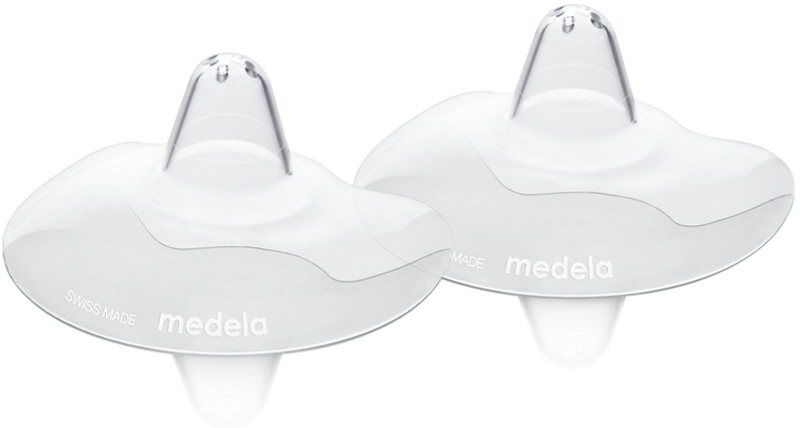
Medela Contact™ Nipple Shields protège-mamelons d’allaitement M (20 mm) 2 pcsMedela Contact™ Nipple Shields, 2 pcs, Protège-mamelons d’allaitement pour femme, Les chapeaux d'allaitement Medela Contact™ Nipple Shields vous aideront à résoudre les problèmes liés à la tétée de votre bébé. Grâce à la forme et au matériel spécialement étudiés, ce moment plein de tendresse entre maman et bébé sera beaucoup plus agréable. Le produit : protège les mamelons douloureux et fissurés corrige les mamelons mal orientés ou plats procure au bébé une sensation confortable et naturelle à chaque tétée protection de forme spéciale permettant au bébé de se blottir contre le sein de la mère pendant la tétée adhère parfaitement au sein en silicone souple15,67 €*Shipping: 3,45 €Secure redirect to the provider
-
Medela Contact™ Nipple Shields protège-mamelons d’allaitement S (16 mm) 2 pcsMedela Contact™ Nipple Shields, 2 pcs, Protège-mamelons d’allaitement pour femme, Les chapeaux d'allaitement Medela Contact™ Nipple Shields vous aideront à résoudre les problèmes liés à la tétée de votre bébé. Grâce à la forme et au matériel spécialement étudiés, ce moment plein de tendresse entre maman et bébé sera beaucoup plus agréable. Le produit : protège les mamelons douloureux et fissurés corrige les mamelons mal orientés ou plats procure au bébé une sensation confortable et naturelle à chaque tétée protection de forme spéciale permettant au bébé de se blottir contre le sein de la mère pendant la tétée adhère parfaitement au sein en silicone souple15,67 €*Shipping: 3,45 €Secure redirect to the provider
-
Medela Contact™ Nipple Shields protège-mamelons d’allaitement L (24 mm) 2 pcsMedela Contact™ Nipple Shields, 2 pcs, Protège-mamelons d’allaitement pour femme, Les chapeaux d'allaitement Medela Contact™ Nipple Shields vous aideront à résoudre les problèmes liés à la tétée de votre bébé. Grâce à la forme et au matériel spécialement étudiés, ce moment plein de tendresse entre maman et bébé sera beaucoup plus agréable. Le produit : protège les mamelons douloureux et fissurés corrige les mamelons mal orientés ou plats procure au bébé une sensation confortable et naturelle à chaque tétée protection de forme spéciale permettant au bébé de se blottir contre le sein de la mère pendant la tétée adhère parfaitement au sein en silicone souple15,67 €*Shipping: 3,45 €Secure redirect to the provider

-
What is the difference between proportional relationships and inverse proportional relationships?
Proportional relationships are those in which the two variables increase or decrease at a constant rate. In other words, when one variable doubles, the other variable also doubles. In contrast, inverse proportional relationships are those in which one variable increases as the other decreases, and vice versa. In an inverse proportional relationship, the product of the two variables remains constant. In other words, when one variable doubles, the other variable is halved. **
-
What are proportional relationships?
Proportional relationships are relationships between two quantities where they change in a consistent manner. This means that as one quantity increases or decreases, the other quantity also increases or decreases in a predictable way. In a proportional relationship, the ratio between the two quantities remains constant. This can be represented by a straight line when graphed. **
-
Which of the relationships is inversely proportional and which is directly proportional?
The relationship between the distance traveled and the time taken is inversely proportional, as the faster you travel, the less time it takes to reach a destination. On the other hand, the relationship between the force applied and the acceleration produced is directly proportional, as increasing the force applied will result in a corresponding increase in acceleration. **
-
Which of the assignments is inversely proportional and which is directly proportional?
The assignment of distance traveled and time taken is inversely proportional, as the distance traveled decreases as the time taken increases. On the other hand, the assignment of force and acceleration is directly proportional, as the force increases, the acceleration also increases. **
How can I recognize if a function is proportional or inversely proportional?
You can recognize if a function is proportional by checking if the ratio of the output to the input is constant. In other words, if the function can be written in the form y = kx, where k is a constant, then the function is proportional. On the other hand, if the function can be written in the form y = k/x, where k is a constant, then the function is inversely proportional. Additionally, if the graph of the function is a straight line passing through the origin, it is proportional, while if the graph is a hyperbola, it is inversely proportional. **
How can one determine whether it is a proportional or inverse proportional relationship?
One can determine whether a relationship is proportional or inverse proportional by examining the pattern of the data points. In a proportional relationship, as one variable increases, the other variable also increases at a constant rate. This results in a straight line passing through the origin when the data is plotted on a graph. In an inverse proportional relationship, as one variable increases, the other variable decreases at a constant rate. This relationship is represented by a curve that approaches but never touches either axis when graphed. **
Top-Angebote
Products related to Proportional:
-
NENO Medic T08 thermomètre sans contact 1 pcsNENO Medic T08, 1 pcs, Thermomètres pour enfants pour enfant, Pour bien prendre soin de bébé, vous devriez toujours avoir le thermomètre pour bébé NENO Medic T08 chez vous. Ce thermomètre vous aidera à déterminer facilement et rapidement la température de votre bébé Le produit : sans contact la température est mesurée en quelques secondes grand écran écran rétroéclairé signal sonore lorsque la température est élevée33,72 €*Shipping: 3,45 €Secure redirect to the provider
-
Chicco Sunglasses 5 years+ lunettes de soleil Boy Black/Green 1 pcsChicco Sunglasses 5 years+, 1 pcs, Accessoires pour enfants pour enfant, Les yeux des enfants sont beaucoup plus sensibles aux rayons de soleil que ceux des adultes. Pensez à les protéger correctement. Les lunettes de soleil Chicco Sunglasses 5 years+ protégeront la vue des tout-petits, qu’ils gambadent en pleine nature ou se promènent en ville. Le produit : filtre 100 % des UVA, UVB et UVC monture très légère monture flexible, branches qui ne se brisent pas et ne restent pas déformées accessoire pratique idéal pour les promenades et les sorties8,30 €*Shipping: 3,45 €Secure redirect to the provider
-
Medela Contact™ Nipple Shields protège-mamelons d’allaitement M (20 mm) 2 pcsMedela Contact™ Nipple Shields, 2 pcs, Protège-mamelons d’allaitement pour femme, Les chapeaux d'allaitement Medela Contact™ Nipple Shields vous aideront à résoudre les problèmes liés à la tétée de votre bébé. Grâce à la forme et au matériel spécialement étudiés, ce moment plein de tendresse entre maman et bébé sera beaucoup plus agréable. Le produit : protège les mamelons douloureux et fissurés corrige les mamelons mal orientés ou plats procure au bébé une sensation confortable et naturelle à chaque tétée protection de forme spéciale permettant au bébé de se blottir contre le sein de la mère pendant la tétée adhère parfaitement au sein en silicone souple15,67 €*Shipping: 3,45 €Secure redirect to the provider
-
What is the difference between proportional and inverse proportional?
Proportional and inverse proportional relationships are two types of relationships between two variables. In a proportional relationship, as one variable increases, the other variable also increases at a constant rate. This means that the ratio between the two variables remains the same. In an inverse proportional relationship, as one variable increases, the other variable decreases at a constant rate. This means that the product of the two variables remains constant. **
-
How can one recognize proportional and inverse proportional relationships?
Proportional relationships can be recognized when two quantities increase or decrease at the same rate. This means that when one quantity doubles, the other quantity also doubles. Inverse proportional relationships, on the other hand, can be recognized when one quantity increases while the other decreases at a constant rate, or vice versa. This means that when one quantity doubles, the other quantity is halved. One can recognize these relationships by plotting the data on a graph and observing if the points form a straight line through the origin for proportional relationships, or if the points form a curve for inverse proportional relationships. **
-
What is the difference between proportional relationships and inverse proportional relationships?
Proportional relationships are those in which the two variables increase or decrease at a constant rate. In other words, when one variable doubles, the other variable also doubles. In contrast, inverse proportional relationships are those in which one variable increases as the other decreases, and vice versa. In an inverse proportional relationship, the product of the two variables remains constant. In other words, when one variable doubles, the other variable is halved. **
-
What are proportional relationships?
Proportional relationships are relationships between two quantities where they change in a consistent manner. This means that as one quantity increases or decreases, the other quantity also increases or decreases in a predictable way. In a proportional relationship, the ratio between the two quantities remains constant. This can be represented by a straight line when graphed. **
Similar search terms for Proportional
-
Medela Contact™ Nipple Shields protège-mamelons d’allaitement S (16 mm) 2 pcsMedela Contact™ Nipple Shields, 2 pcs, Protège-mamelons d’allaitement pour femme, Les chapeaux d'allaitement Medela Contact™ Nipple Shields vous aideront à résoudre les problèmes liés à la tétée de votre bébé. Grâce à la forme et au matériel spécialement étudiés, ce moment plein de tendresse entre maman et bébé sera beaucoup plus agréable. Le produit : protège les mamelons douloureux et fissurés corrige les mamelons mal orientés ou plats procure au bébé une sensation confortable et naturelle à chaque tétée protection de forme spéciale permettant au bébé de se blottir contre le sein de la mère pendant la tétée adhère parfaitement au sein en silicone souple15,67 €*Shipping: 3,45 €Secure redirect to the provider
-
Medela Contact™ Nipple Shields protège-mamelons d’allaitement L (24 mm) 2 pcsMedela Contact™ Nipple Shields, 2 pcs, Protège-mamelons d’allaitement pour femme, Les chapeaux d'allaitement Medela Contact™ Nipple Shields vous aideront à résoudre les problèmes liés à la tétée de votre bébé. Grâce à la forme et au matériel spécialement étudiés, ce moment plein de tendresse entre maman et bébé sera beaucoup plus agréable. Le produit : protège les mamelons douloureux et fissurés corrige les mamelons mal orientés ou plats procure au bébé une sensation confortable et naturelle à chaque tétée protection de forme spéciale permettant au bébé de se blottir contre le sein de la mère pendant la tétée adhère parfaitement au sein en silicone souple15,67 €*Shipping: 3,45 €Secure redirect to the provider
-
Which of the relationships is inversely proportional and which is directly proportional?
The relationship between the distance traveled and the time taken is inversely proportional, as the faster you travel, the less time it takes to reach a destination. On the other hand, the relationship between the force applied and the acceleration produced is directly proportional, as increasing the force applied will result in a corresponding increase in acceleration. **
-
Which of the assignments is inversely proportional and which is directly proportional?
The assignment of distance traveled and time taken is inversely proportional, as the distance traveled decreases as the time taken increases. On the other hand, the assignment of force and acceleration is directly proportional, as the force increases, the acceleration also increases. **
-
How can I recognize if a function is proportional or inversely proportional?
You can recognize if a function is proportional by checking if the ratio of the output to the input is constant. In other words, if the function can be written in the form y = kx, where k is a constant, then the function is proportional. On the other hand, if the function can be written in the form y = k/x, where k is a constant, then the function is inversely proportional. Additionally, if the graph of the function is a straight line passing through the origin, it is proportional, while if the graph is a hyperbola, it is inversely proportional. **
-
How can one determine whether it is a proportional or inverse proportional relationship?
One can determine whether a relationship is proportional or inverse proportional by examining the pattern of the data points. In a proportional relationship, as one variable increases, the other variable also increases at a constant rate. This results in a straight line passing through the origin when the data is plotted on a graph. In an inverse proportional relationship, as one variable increases, the other variable decreases at a constant rate. This relationship is represented by a curve that approaches but never touches either axis when graphed. **
* All prices are inclusive of VAT and, if applicable, plus shipping costs. The offer information is based on the details provided by the respective shop and is updated through automated processes. Real-time updates do not occur, so deviations can occur in individual cases. ** Note: Parts of this content were created by AI.