Buy vipoptic.be ?
We are moving the project
vipoptic.be .
Are you interested in purchasing the domain
vipoptic.be ?
domain@kv-gmbh.de · 0541-91531010
Buy vipoptic.be ?
What destroys methane?
Methane can be destroyed through a process called oxidation, where it reacts with oxygen in the atmosphere to form carbon dioxide and water. This process can occur naturally in the atmosphere, as well as through the action of certain bacteria in the soil and water. Additionally, methane can be destroyed through chemical reactions with other compounds, such as chlorine or hydroxyl radicals. These processes help to reduce the concentration of methane in the atmosphere, which is important for mitigating its impact on climate change. **
How is methane formed?
Methane is formed through a process called methanogenesis, which occurs in anaerobic (oxygen-free) environments such as wetlands, marshes, and the digestive systems of animals. Methanogenic microorganisms, such as archaea, break down organic matter in these environments, producing methane as a byproduct. This process involves the decomposition of organic materials, such as dead plants and animal waste, by bacteria in the absence of oxygen. As a result, methane is released into the atmosphere as a natural part of the carbon cycle. Additionally, methane can also be formed through human activities such as the production and transportation of natural gas, as well as through the decomposition of organic waste in landfills. **
Similar search terms for Methane
Top-Angebote
Products related to Methane:
-
Chicco Sunglasses 5 years+ lunettes de soleil Boy Black/Green 1 pcsChicco Sunglasses 5 years+, 1 pcs, Accessoires pour enfants pour enfant, Les yeux des enfants sont beaucoup plus sensibles aux rayons de soleil que ceux des adultes. Pensez à les protéger correctement. Les lunettes de soleil Chicco Sunglasses 5 years+ protégeront la vue des tout-petits, qu’ils gambadent en pleine nature ou se promènent en ville. Le produit : filtre 100 % des UVA, UVB et UVC monture très légère monture flexible, branches qui ne se brisent pas et ne restent pas déformées accessoire pratique idéal pour les promenades et les sorties8,30 €*Shipping: 3,45 €Secure redirect to the provider
-
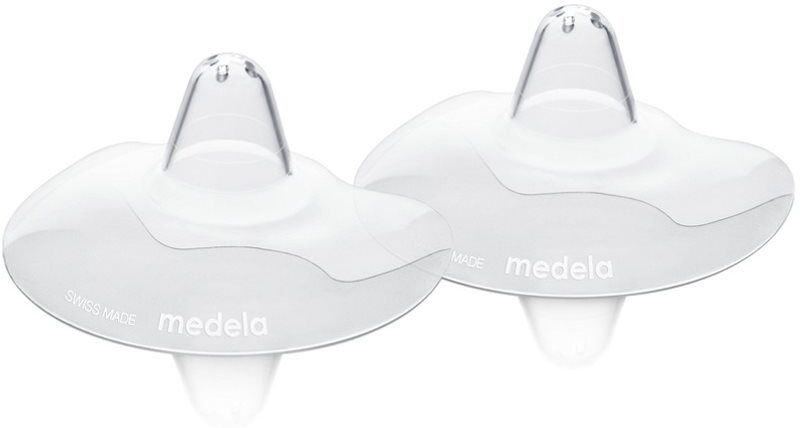
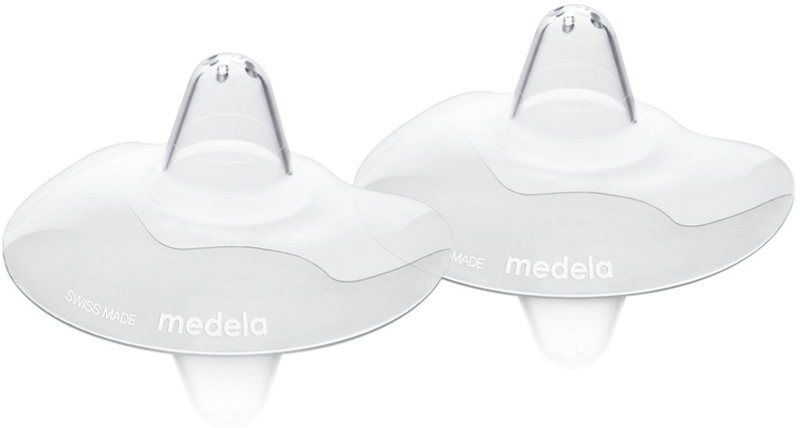
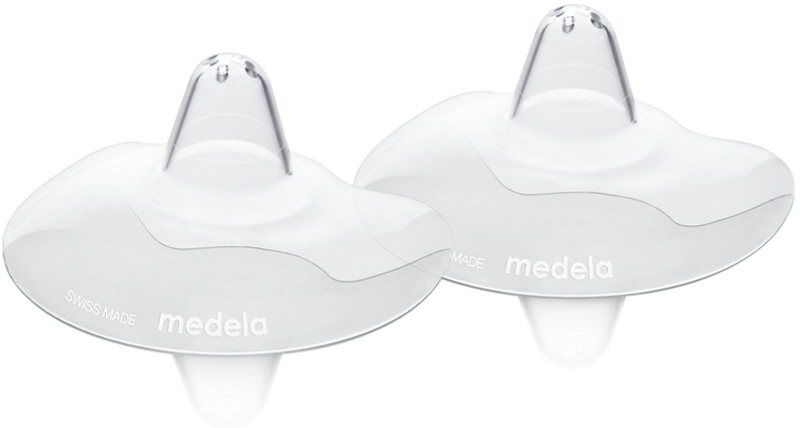
Medela Contact™ Nipple Shields protège-mamelons d’allaitement M (20 mm) 2 pcsMedela Contact™ Nipple Shields, 2 pcs, Protège-mamelons d’allaitement pour femme, Les chapeaux d'allaitement Medela Contact™ Nipple Shields vous aideront à résoudre les problèmes liés à la tétée de votre bébé. Grâce à la forme et au matériel spécialement étudiés, ce moment plein de tendresse entre maman et bébé sera beaucoup plus agréable. Le produit : protège les mamelons douloureux et fissurés corrige les mamelons mal orientés ou plats procure au bébé une sensation confortable et naturelle à chaque tétée protection de forme spéciale permettant au bébé de se blottir contre le sein de la mère pendant la tétée adhère parfaitement au sein en silicone souple15,67 €*Shipping: 3,45 €Secure redirect to the provider
-
Dettol Soft on Skin Kids No-Touch Refill recharge pour doseur de savon sans contact Honey & Vanilla 250 mlDettol Soft on Skin Kids No-Touch Refill, 250 ml, Savons pour femme, Pour les moments où vous devez compter sur des mains parfaitement propres, Dettol Soft on Skin Kids No-Touch Refill le savon est votre meilleure option. Il nettoie efficacement la peau et élimine toutes les impuretés. Le produit : nettoie la peau parfum frais et agréable activité antimicrobienne recharge de savon pour distributeur sans contact Mode d’emploi : Appliquer une quantité appropriée de savon sur la peau humide des mains, faire mousser puis rincer à l'eau.4,20 €*Shipping: 3,45 €Secure redirect to the provider


-
What is liquid methane?
Liquid methane is a colorless, odorless, and non-toxic liquid that is derived from natural gas. It has a boiling point of approximately -161 degrees Celsius and is commonly used as a fuel source for vehicles and industrial processes. It is also being explored as a potential energy source for future space missions due to its abundance on other planets, such as Mars and Titan. **
-
Does cheese contain methane?
Yes, cheese does contain methane. Methane is a natural byproduct of the fermentation process that occurs during the production of cheese. It is produced by the bacteria that are used to ferment the milk and create the cheese. However, the amount of methane in cheese is relatively small compared to other sources of methane emissions in the environment. **
-
How is methane converted?
Methane can be converted through a process called steam reforming, which involves reacting methane with steam at high temperatures and pressures to produce hydrogen and carbon monoxide. Another method is methane combustion, where methane is burned in the presence of oxygen to produce carbon dioxide and water. Additionally, methane can be converted into methanol through a process called catalytic oxidation. These processes are important for converting methane into more useful and less environmentally impactful products. **
-
What are methane bacteria?
Methane bacteria, also known as methanogens, are a type of microorganism that produce methane as a byproduct of their metabolism. They are found in environments with low oxygen levels, such as wetlands, marshes, and the digestive tracts of animals. Methane bacteria play a crucial role in the global carbon cycle by converting organic matter into methane gas. This process is important for the decomposition of organic material and the production of renewable energy sources such as biogas. **
Will methane gas kill us?
Methane gas itself is not typically lethal in small quantities, as it is non-toxic. However, in high concentrations, methane can displace oxygen in the air, leading to a lack of oxygen which can be dangerous. Additionally, methane is highly flammable and can pose a risk of explosion in enclosed spaces. Therefore, while methane gas may not directly kill us, it can still be a significant hazard if not properly managed. **
Why are methane molecules nonpolar?
Methane molecules are nonpolar because the molecule has a symmetrical tetrahedral shape with carbon at the center and four hydrogen atoms at the corners. This symmetrical arrangement results in an equal distribution of charge, with the carbon-hydrogen bonds being nonpolar covalent bonds. As a result, there are no significant differences in electronegativity between carbon and hydrogen, leading to a nonpolar molecule overall. **
Top-Angebote
Products related to Methane:
-
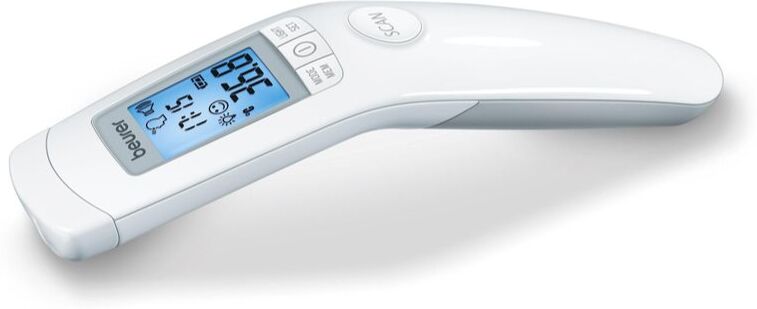
BEURER FT 90 thermomètre sans contact 1 pcsBEURER FT 90, 1 pcs, Thermomètres pour enfants pour homme, Le produit : sans contact fonction d’arrêt automatique écran rétroéclairé la température est mesurée en quelques secondes mesure la température à une distance de plusieurs centimètres signal sonore lorsque la température est élevée l’emballage comprend un étui grand écran mémoire de la dernière mesure signal sonore lorsque la mesure est terminée50,50 €*Shipping: 3,45 €Secure redirect to the provider
-
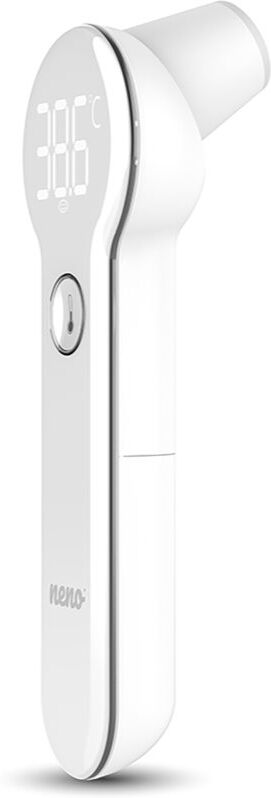
NENO Medic T08 thermomètre sans contact 1 pcsNENO Medic T08, 1 pcs, Thermomètres pour enfants pour enfant, Pour bien prendre soin de bébé, vous devriez toujours avoir le thermomètre pour bébé NENO Medic T08 chez vous. Ce thermomètre vous aidera à déterminer facilement et rapidement la température de votre bébé Le produit : sans contact la température est mesurée en quelques secondes grand écran écran rétroéclairé signal sonore lorsque la température est élevée33,72 €*Shipping: 3,45 €Secure redirect to the provider
-
Chicco Sunglasses 5 years+ lunettes de soleil Boy Black/Green 1 pcsChicco Sunglasses 5 years+, 1 pcs, Accessoires pour enfants pour enfant, Les yeux des enfants sont beaucoup plus sensibles aux rayons de soleil que ceux des adultes. Pensez à les protéger correctement. Les lunettes de soleil Chicco Sunglasses 5 years+ protégeront la vue des tout-petits, qu’ils gambadent en pleine nature ou se promènent en ville. Le produit : filtre 100 % des UVA, UVB et UVC monture très légère monture flexible, branches qui ne se brisent pas et ne restent pas déformées accessoire pratique idéal pour les promenades et les sorties8,30 €*Shipping: 3,45 €Secure redirect to the provider
-
What destroys methane?
Methane can be destroyed through a process called oxidation, where it reacts with oxygen in the atmosphere to form carbon dioxide and water. This process can occur naturally in the atmosphere, as well as through the action of certain bacteria in the soil and water. Additionally, methane can be destroyed through chemical reactions with other compounds, such as chlorine or hydroxyl radicals. These processes help to reduce the concentration of methane in the atmosphere, which is important for mitigating its impact on climate change. **
-
How is methane formed?
Methane is formed through a process called methanogenesis, which occurs in anaerobic (oxygen-free) environments such as wetlands, marshes, and the digestive systems of animals. Methanogenic microorganisms, such as archaea, break down organic matter in these environments, producing methane as a byproduct. This process involves the decomposition of organic materials, such as dead plants and animal waste, by bacteria in the absence of oxygen. As a result, methane is released into the atmosphere as a natural part of the carbon cycle. Additionally, methane can also be formed through human activities such as the production and transportation of natural gas, as well as through the decomposition of organic waste in landfills. **
-
What is liquid methane?
Liquid methane is a colorless, odorless, and non-toxic liquid that is derived from natural gas. It has a boiling point of approximately -161 degrees Celsius and is commonly used as a fuel source for vehicles and industrial processes. It is also being explored as a potential energy source for future space missions due to its abundance on other planets, such as Mars and Titan. **
-
Does cheese contain methane?
Yes, cheese does contain methane. Methane is a natural byproduct of the fermentation process that occurs during the production of cheese. It is produced by the bacteria that are used to ferment the milk and create the cheese. However, the amount of methane in cheese is relatively small compared to other sources of methane emissions in the environment. **
Similar search terms for Methane
-
Medela Contact™ Nipple Shields protège-mamelons d’allaitement M (20 mm) 2 pcsMedela Contact™ Nipple Shields, 2 pcs, Protège-mamelons d’allaitement pour femme, Les chapeaux d'allaitement Medela Contact™ Nipple Shields vous aideront à résoudre les problèmes liés à la tétée de votre bébé. Grâce à la forme et au matériel spécialement étudiés, ce moment plein de tendresse entre maman et bébé sera beaucoup plus agréable. Le produit : protège les mamelons douloureux et fissurés corrige les mamelons mal orientés ou plats procure au bébé une sensation confortable et naturelle à chaque tétée protection de forme spéciale permettant au bébé de se blottir contre le sein de la mère pendant la tétée adhère parfaitement au sein en silicone souple15,67 €*Shipping: 3,45 €Secure redirect to the provider
-
Dettol Soft on Skin Kids No-Touch Refill recharge pour doseur de savon sans contact Honey & Vanilla 250 mlDettol Soft on Skin Kids No-Touch Refill, 250 ml, Savons pour femme, Pour les moments où vous devez compter sur des mains parfaitement propres, Dettol Soft on Skin Kids No-Touch Refill le savon est votre meilleure option. Il nettoie efficacement la peau et élimine toutes les impuretés. Le produit : nettoie la peau parfum frais et agréable activité antimicrobienne recharge de savon pour distributeur sans contact Mode d’emploi : Appliquer une quantité appropriée de savon sur la peau humide des mains, faire mousser puis rincer à l'eau.4,20 €*Shipping: 3,45 €Secure redirect to the provider
-
Medela Contact™ Nipple Shields protège-mamelons d’allaitement S (16 mm) 2 pcsMedela Contact™ Nipple Shields, 2 pcs, Protège-mamelons d’allaitement pour femme, Les chapeaux d'allaitement Medela Contact™ Nipple Shields vous aideront à résoudre les problèmes liés à la tétée de votre bébé. Grâce à la forme et au matériel spécialement étudiés, ce moment plein de tendresse entre maman et bébé sera beaucoup plus agréable. Le produit : protège les mamelons douloureux et fissurés corrige les mamelons mal orientés ou plats procure au bébé une sensation confortable et naturelle à chaque tétée protection de forme spéciale permettant au bébé de se blottir contre le sein de la mère pendant la tétée adhère parfaitement au sein en silicone souple15,67 €*Shipping: 3,45 €Secure redirect to the provider
-
Medela Contact™ Nipple Shields protège-mamelons d’allaitement L (24 mm) 2 pcsMedela Contact™ Nipple Shields, 2 pcs, Protège-mamelons d’allaitement pour femme, Les chapeaux d'allaitement Medela Contact™ Nipple Shields vous aideront à résoudre les problèmes liés à la tétée de votre bébé. Grâce à la forme et au matériel spécialement étudiés, ce moment plein de tendresse entre maman et bébé sera beaucoup plus agréable. Le produit : protège les mamelons douloureux et fissurés corrige les mamelons mal orientés ou plats procure au bébé une sensation confortable et naturelle à chaque tétée protection de forme spéciale permettant au bébé de se blottir contre le sein de la mère pendant la tétée adhère parfaitement au sein en silicone souple15,67 €*Shipping: 3,45 €Secure redirect to the provider
-
How is methane converted?
Methane can be converted through a process called steam reforming, which involves reacting methane with steam at high temperatures and pressures to produce hydrogen and carbon monoxide. Another method is methane combustion, where methane is burned in the presence of oxygen to produce carbon dioxide and water. Additionally, methane can be converted into methanol through a process called catalytic oxidation. These processes are important for converting methane into more useful and less environmentally impactful products. **
-
What are methane bacteria?
Methane bacteria, also known as methanogens, are a type of microorganism that produce methane as a byproduct of their metabolism. They are found in environments with low oxygen levels, such as wetlands, marshes, and the digestive tracts of animals. Methane bacteria play a crucial role in the global carbon cycle by converting organic matter into methane gas. This process is important for the decomposition of organic material and the production of renewable energy sources such as biogas. **
-
Will methane gas kill us?
Methane gas itself is not typically lethal in small quantities, as it is non-toxic. However, in high concentrations, methane can displace oxygen in the air, leading to a lack of oxygen which can be dangerous. Additionally, methane is highly flammable and can pose a risk of explosion in enclosed spaces. Therefore, while methane gas may not directly kill us, it can still be a significant hazard if not properly managed. **
-
Why are methane molecules nonpolar?
Methane molecules are nonpolar because the molecule has a symmetrical tetrahedral shape with carbon at the center and four hydrogen atoms at the corners. This symmetrical arrangement results in an equal distribution of charge, with the carbon-hydrogen bonds being nonpolar covalent bonds. As a result, there are no significant differences in electronegativity between carbon and hydrogen, leading to a nonpolar molecule overall. **
* All prices are inclusive of VAT and, if applicable, plus shipping costs. The offer information is based on the details provided by the respective shop and is updated through automated processes. Real-time updates do not occur, so deviations can occur in individual cases. ** Note: Parts of this content were created by AI.