Buy vipoptic.be ?
We are moving the project
vipoptic.be .
Are you interested in purchasing the domain
vipoptic.be ?
domain@kv-gmbh.de · 0541-91531010
Buy vipoptic.be ?
Why are the Inuit so tanned?
The Inuit have a tanned complexion due to their adaptation to living in the Arctic region. The tanned skin helps to protect them from the harsh UV rays that are reflected off the snow and ice. Additionally, the Inuit have a diet rich in vitamin D from sources like fish and marine mammals, which also contributes to their tanned complexion. This adaptation allows them to live in their environment and absorb the necessary nutrients from the sun. **
Which gods did the Inuit have?
The Inuit people traditionally believed in a pantheon of gods and spirits that were closely tied to the natural world. Some of the most important Inuit gods included Sedna, the goddess of the sea and marine animals, and Sila, the spirit of the sky, weather, and life force. Other important figures in Inuit mythology included Nanook, the master of bears, and Pinga, the goddess of the hunt and fertility. These gods and spirits played a central role in Inuit religious practices and beliefs, helping to explain and make sense of the natural world around them. **


Similar search terms for Inuit
Top-Angebote
Products related to Inuit:
-
Chicco Sunglasses 5 years+ lunettes de soleil Girl Blue/Pink 1 pcsChicco Sunglasses 5 years+, 1 pcs, Accessoires pour enfants pour enfant, Les yeux des enfants sont beaucoup plus sensibles aux rayons de soleil que ceux des adultes. Pensez à les protéger correctement. Les lunettes de soleil Chicco Sunglasses 5 years+ protégeront la vue des tout-petits, qu’ils gambadent en pleine nature ou se promènent en ville. Le produit : filtre 100 % des UVA, UVB et UVC monture très légère monture flexible, branches qui ne se brisent pas et ne restent pas déformées accessoire pratique idéal pour les promenades et les sorties8,30 €*Shipping: 3,45 €Secure redirect to the provider
-
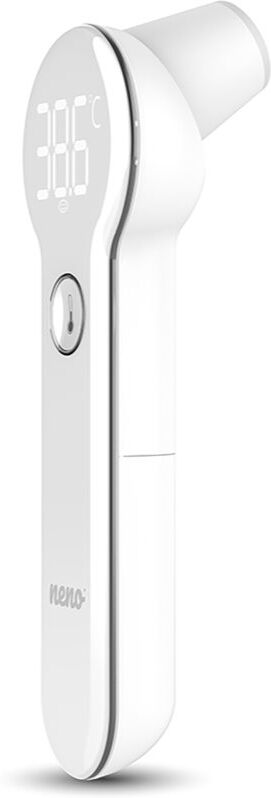
NENO Medic T08 thermomètre sans contact 1 pcsNENO Medic T08, 1 pcs, Thermomètres pour enfants pour enfant, Pour bien prendre soin de bébé, vous devriez toujours avoir le thermomètre pour bébé NENO Medic T08 chez vous. Ce thermomètre vous aidera à déterminer facilement et rapidement la température de votre bébé Le produit : sans contact la température est mesurée en quelques secondes grand écran écran rétroéclairé signal sonore lorsque la température est élevée33,72 €*Shipping: 3,45 €Secure redirect to the provider
-
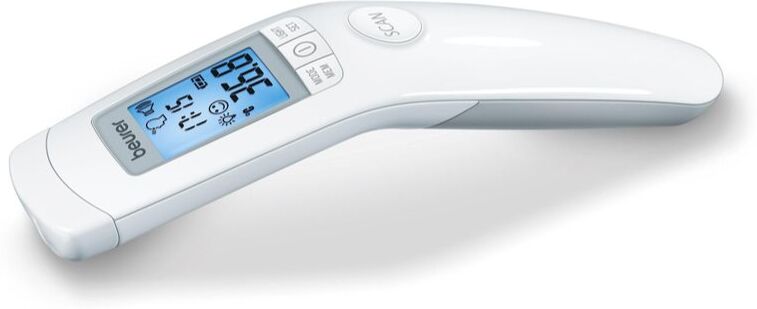
BEURER FT 90 thermomètre sans contact 1 pcsBEURER FT 90, 1 pcs, Thermomètres pour enfants pour homme, Le produit : sans contact fonction d’arrêt automatique écran rétroéclairé la température est mesurée en quelques secondes mesure la température à une distance de plusieurs centimètres signal sonore lorsque la température est élevée l’emballage comprend un étui grand écran mémoire de la dernière mesure signal sonore lorsque la mesure est terminée50,50 €*Shipping: 3,45 €Secure redirect to the provider
-
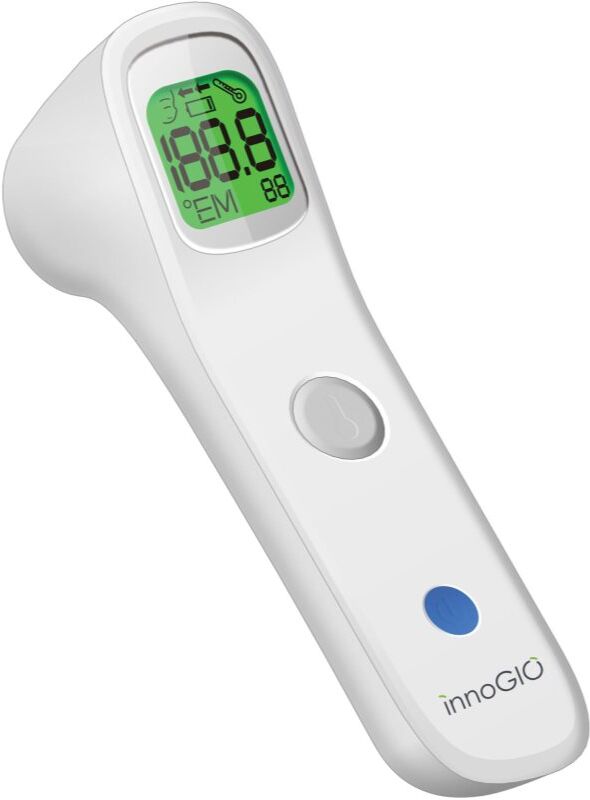
Lionelo Care Feverscan thermomètre sans contact 1 pcsLionelo Care Feverscan, 1 pcs, Thermomètres pour enfants pour femme, Pour bien prendre soin de bébé, vous devriez toujours avoir le thermomètre pour bébé Lionelo Care Feverscan chez vous. Ce thermomètre vous aidera à déterminer facilement et rapidement la température de votre bébé Le produit : sans contact écran rétroéclairé mémoire de la dernière mesure fonction d’arrêt automatique grand écran la température est mesurée en quelques secondes l’emballage comprend un étui24,61 €*Shipping: 3,45 €Secure redirect to the provider


-
What do the Inuit call their land?
The Inuit call their land "Inuit Nunangat," which means "the homeland of the Inuit" in the Inuktitut language. **
-
How do Inuit go to the toilet?
Inuit traditionally used a shallow hole dug in the snow or ice as a toilet, which is then covered up after use. This method is practical in the Arctic environment where the ground is frozen and covered in snow for much of the year. In more modern times, Inuit communities may have indoor plumbing and use regular toilets like those found in other parts of the world. **
-
Which term is correct: Eskimo or Inuit?
The term "Inuit" is considered more appropriate and respectful than "Eskimo." "Eskimo" is a term that has been used historically by non-Inuit people and has negative connotations in some Inuit communities. "Inuit" is the preferred term used by the indigenous people of the Arctic, encompassing various groups such as the Inupiat, Yupik, and others. It is important to use the term "Inuit" to show respect for their cultural identity and to avoid perpetuating harmful stereotypes. **
-
What are the seasons of the Inuit?
The Inuit people recognize six seasons in their traditional calendar: Ukiuq (winter), Sivulliik (spring), Sikusiilaq (late spring), Aupilaaq (summer), Ukiangqailaaq (early fall), and Qiujuq (fall). Each season is marked by distinct environmental and weather conditions, as well as specific activities and cultural practices. These seasons are closely tied to the natural cycles of the Arctic environment and play a significant role in the Inuit way of life. **

Do the Inuit belong to the Turkic peoples?
No, the Inuit do not belong to the Turkic peoples. The Inuit are indigenous peoples who primarily inhabit the Arctic regions of Canada, Greenland, and Alaska. They have their own distinct language, culture, and history that are different from the Turkic peoples, who are a group of ethnicities primarily located in Central Asia and parts of Eastern Europe. **
What is the difference between Eskimos and Inuit?
The term "Eskimo" is a broad, outdated, and sometimes considered offensive term that was historically used to refer to the indigenous peoples inhabiting the Arctic regions of North America and Greenland. Inuit, on the other hand, is a specific term used to refer to the indigenous peoples of the Arctic regions of Canada and Greenland. Inuit is a more culturally sensitive and accurate term to use when referring to these specific indigenous groups, while Eskimo is a more general and outdated term. **
Top-Angebote
Products related to Inuit:
-
Chicco Sunglasses 5 years+ lunettes de soleil Girl Blue/Pink 1 pcsChicco Sunglasses 5 years+, 1 pcs, Accessoires pour enfants pour enfant, Les yeux des enfants sont beaucoup plus sensibles aux rayons de soleil que ceux des adultes. Pensez à les protéger correctement. Les lunettes de soleil Chicco Sunglasses 5 years+ protégeront la vue des tout-petits, qu’ils gambadent en pleine nature ou se promènent en ville. Le produit : filtre 100 % des UVA, UVB et UVC monture très légère monture flexible, branches qui ne se brisent pas et ne restent pas déformées accessoire pratique idéal pour les promenades et les sorties8,30 €*Shipping: 3,45 €Secure redirect to the provider
-
NENO Medic T08 thermomètre sans contact 1 pcsNENO Medic T08, 1 pcs, Thermomètres pour enfants pour enfant, Pour bien prendre soin de bébé, vous devriez toujours avoir le thermomètre pour bébé NENO Medic T08 chez vous. Ce thermomètre vous aidera à déterminer facilement et rapidement la température de votre bébé Le produit : sans contact la température est mesurée en quelques secondes grand écran écran rétroéclairé signal sonore lorsque la température est élevée33,72 €*Shipping: 3,45 €Secure redirect to the provider
-
Why are the Inuit so tanned?
The Inuit have a tanned complexion due to their adaptation to living in the Arctic region. The tanned skin helps to protect them from the harsh UV rays that are reflected off the snow and ice. Additionally, the Inuit have a diet rich in vitamin D from sources like fish and marine mammals, which also contributes to their tanned complexion. This adaptation allows them to live in their environment and absorb the necessary nutrients from the sun. **
-
Which gods did the Inuit have?
The Inuit people traditionally believed in a pantheon of gods and spirits that were closely tied to the natural world. Some of the most important Inuit gods included Sedna, the goddess of the sea and marine animals, and Sila, the spirit of the sky, weather, and life force. Other important figures in Inuit mythology included Nanook, the master of bears, and Pinga, the goddess of the hunt and fertility. These gods and spirits played a central role in Inuit religious practices and beliefs, helping to explain and make sense of the natural world around them. **
-
What do the Inuit call their land?
The Inuit call their land "Inuit Nunangat," which means "the homeland of the Inuit" in the Inuktitut language. **
-
How do Inuit go to the toilet?
Inuit traditionally used a shallow hole dug in the snow or ice as a toilet, which is then covered up after use. This method is practical in the Arctic environment where the ground is frozen and covered in snow for much of the year. In more modern times, Inuit communities may have indoor plumbing and use regular toilets like those found in other parts of the world. **
Similar search terms for Inuit
-
BEURER FT 90 thermomètre sans contact 1 pcsBEURER FT 90, 1 pcs, Thermomètres pour enfants pour homme, Le produit : sans contact fonction d’arrêt automatique écran rétroéclairé la température est mesurée en quelques secondes mesure la température à une distance de plusieurs centimètres signal sonore lorsque la température est élevée l’emballage comprend un étui grand écran mémoire de la dernière mesure signal sonore lorsque la mesure est terminée50,50 €*Shipping: 3,45 €Secure redirect to the provider
-
Lionelo Care Feverscan thermomètre sans contact 1 pcsLionelo Care Feverscan, 1 pcs, Thermomètres pour enfants pour femme, Pour bien prendre soin de bébé, vous devriez toujours avoir le thermomètre pour bébé Lionelo Care Feverscan chez vous. Ce thermomètre vous aidera à déterminer facilement et rapidement la température de votre bébé Le produit : sans contact écran rétroéclairé mémoire de la dernière mesure fonction d’arrêt automatique grand écran la température est mesurée en quelques secondes l’emballage comprend un étui24,61 €*Shipping: 3,45 €Secure redirect to the provider
-
Which term is correct: Eskimo or Inuit?
The term "Inuit" is considered more appropriate and respectful than "Eskimo." "Eskimo" is a term that has been used historically by non-Inuit people and has negative connotations in some Inuit communities. "Inuit" is the preferred term used by the indigenous people of the Arctic, encompassing various groups such as the Inupiat, Yupik, and others. It is important to use the term "Inuit" to show respect for their cultural identity and to avoid perpetuating harmful stereotypes. **
-
What are the seasons of the Inuit?
The Inuit people recognize six seasons in their traditional calendar: Ukiuq (winter), Sivulliik (spring), Sikusiilaq (late spring), Aupilaaq (summer), Ukiangqailaaq (early fall), and Qiujuq (fall). Each season is marked by distinct environmental and weather conditions, as well as specific activities and cultural practices. These seasons are closely tied to the natural cycles of the Arctic environment and play a significant role in the Inuit way of life. **
-
Do the Inuit belong to the Turkic peoples?
No, the Inuit do not belong to the Turkic peoples. The Inuit are indigenous peoples who primarily inhabit the Arctic regions of Canada, Greenland, and Alaska. They have their own distinct language, culture, and history that are different from the Turkic peoples, who are a group of ethnicities primarily located in Central Asia and parts of Eastern Europe. **
-
What is the difference between Eskimos and Inuit?
The term "Eskimo" is a broad, outdated, and sometimes considered offensive term that was historically used to refer to the indigenous peoples inhabiting the Arctic regions of North America and Greenland. Inuit, on the other hand, is a specific term used to refer to the indigenous peoples of the Arctic regions of Canada and Greenland. Inuit is a more culturally sensitive and accurate term to use when referring to these specific indigenous groups, while Eskimo is a more general and outdated term. **
* All prices are inclusive of VAT and, if applicable, plus shipping costs. The offer information is based on the details provided by the respective shop and is updated through automated processes. Real-time updates do not occur, so deviations can occur in individual cases. ** Note: Parts of this content were created by AI.