Buy vipoptic.be ?
We are moving the project
vipoptic.be .
Are you interested in purchasing the domain
vipoptic.be ?
domain@kv-gmbh.de · 0541-91531010
Buy vipoptic.be ?
How do glaciers melt?
Glaciers melt primarily due to a combination of rising temperatures and the effects of sunlight. When the air temperature increases, the heat is transferred to the glacier, causing the ice to melt. Additionally, sunlight can also contribute to the melting process by absorbing heat and accelerating the melting of the ice. As the ice melts, the water flows into rivers and oceans, contributing to rising sea levels. This process is exacerbated by climate change, which is causing glaciers to melt at an accelerated rate. **
What functions do glaciers have?
Glaciers play several important functions in the environment. They act as reservoirs of freshwater, storing large amounts of water in the form of ice. Glaciers also help regulate global climate by reflecting sunlight and cooling the Earth's surface. Additionally, they shape the landscape through processes like erosion and deposition, creating unique landforms such as valleys, fjords, and moraines. Overall, glaciers are crucial components of the Earth's system and have a significant impact on both the environment and human societies. **

Similar search terms for Glaciers
Top-Angebote
Products related to Glaciers:
-
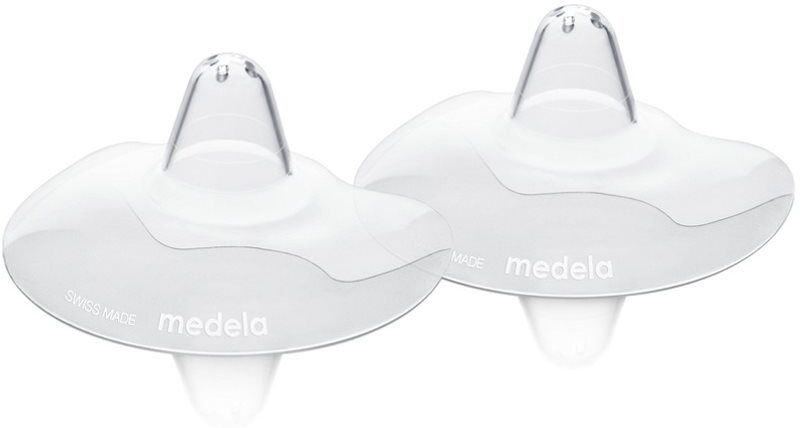
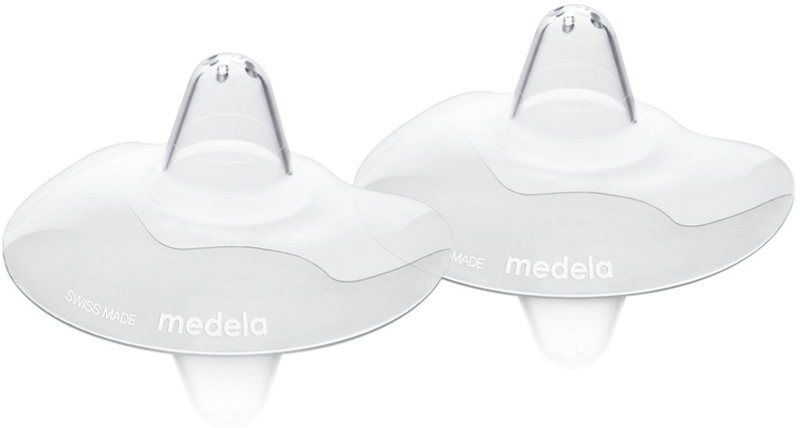
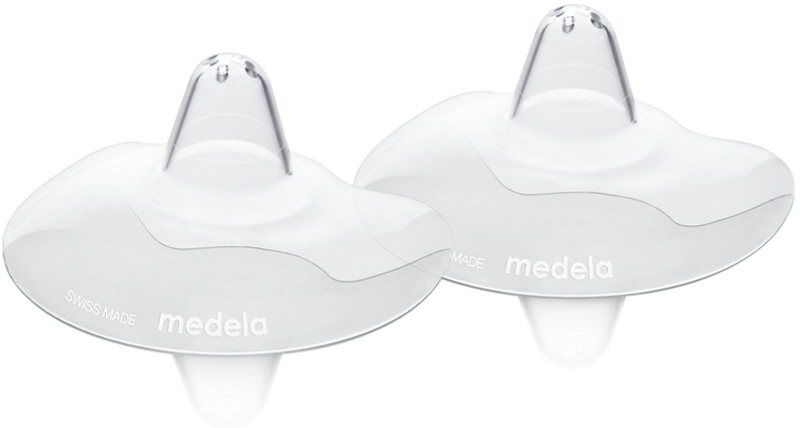
Medela Contact™ Nipple Shields protège-mamelons d’allaitement M (20 mm) 2 pcsMedela Contact™ Nipple Shields, 2 pcs, Protège-mamelons d’allaitement pour femme, Les chapeaux d'allaitement Medela Contact™ Nipple Shields vous aideront à résoudre les problèmes liés à la tétée de votre bébé. Grâce à la forme et au matériel spécialement étudiés, ce moment plein de tendresse entre maman et bébé sera beaucoup plus agréable. Le produit : protège les mamelons douloureux et fissurés corrige les mamelons mal orientés ou plats procure au bébé une sensation confortable et naturelle à chaque tétée protection de forme spéciale permettant au bébé de se blottir contre le sein de la mère pendant la tétée adhère parfaitement au sein en silicone souple15,67 €*Shipping: 3,45 €Secure redirect to the provider
-
Medela Contact™ Nipple Shields protège-mamelons d’allaitement S (16 mm) 2 pcsMedela Contact™ Nipple Shields, 2 pcs, Protège-mamelons d’allaitement pour femme, Les chapeaux d'allaitement Medela Contact™ Nipple Shields vous aideront à résoudre les problèmes liés à la tétée de votre bébé. Grâce à la forme et au matériel spécialement étudiés, ce moment plein de tendresse entre maman et bébé sera beaucoup plus agréable. Le produit : protège les mamelons douloureux et fissurés corrige les mamelons mal orientés ou plats procure au bébé une sensation confortable et naturelle à chaque tétée protection de forme spéciale permettant au bébé de se blottir contre le sein de la mère pendant la tétée adhère parfaitement au sein en silicone souple15,67 €*Shipping: 3,45 €Secure redirect to the provider
-
Medela Contact™ Nipple Shields protège-mamelons d’allaitement L (24 mm) 2 pcsMedela Contact™ Nipple Shields, 2 pcs, Protège-mamelons d’allaitement pour femme, Les chapeaux d'allaitement Medela Contact™ Nipple Shields vous aideront à résoudre les problèmes liés à la tétée de votre bébé. Grâce à la forme et au matériel spécialement étudiés, ce moment plein de tendresse entre maman et bébé sera beaucoup plus agréable. Le produit : protège les mamelons douloureux et fissurés corrige les mamelons mal orientés ou plats procure au bébé une sensation confortable et naturelle à chaque tétée protection de forme spéciale permettant au bébé de se blottir contre le sein de la mère pendant la tétée adhère parfaitement au sein en silicone souple15,67 €*Shipping: 3,45 €Secure redirect to the provider
-
How can glaciers shape rocks?
Glaciers can shape rocks through a process called glacial erosion. As glaciers move, they pick up rocks and debris, which act as tools to grind and scrape the underlying bedrock. This process can create features such as striations, grooves, and polished surfaces on rocks. Additionally, as glaciers melt, they can deposit the rocks they were carrying, forming landforms like moraines and drumlins. **
-
How can glaciers erode rocks?
Glaciers can erode rocks through a process called plucking and abrasion. Plucking occurs when the glacier freezes onto the rock and then pulls it away as the glacier moves, causing pieces of the rock to be plucked off. Abrasion occurs as the glacier moves and the rocks embedded in the ice scrape against the bedrock, wearing it down over time. These processes can result in the formation of glacial valleys, cirques, and other landforms as the glacier erodes the surrounding rock. **
-
Why are glaciers the Earth's thermometers?
Glaciers are considered the Earth's thermometers because they are sensitive indicators of climate change. As temperatures rise, glaciers melt at a faster rate, and their size and extent decrease. By studying the changes in glaciers, scientists can track variations in temperature over time. Additionally, the composition of the ice in glaciers can provide information about past climate conditions, making them valuable tools for understanding the Earth's climate history. **
-
Under what conditions do glaciers form?
Glaciers form under specific conditions of temperature and precipitation. They require cold temperatures to prevent the snow from melting, and a consistent accumulation of snowfall over time. This snow then compresses into ice, forming a glacier. Glaciers are typically found in polar regions or high mountainous areas where these conditions are met. **
How have glaciers shaped the ground cover?
Glaciers have significantly shaped the ground cover through processes like erosion, deposition, and transportation of sediments. As glaciers move, they scrape and erode the land, creating valleys, fjords, and cirques. The sediments carried by glaciers are deposited as moraines, drumlins, and eskers, altering the landscape. The melting of glaciers also contributes to the formation of lakes and wetlands, further shaping the ground cover. **
What are the different types of glaciers?
There are two main types of glaciers: alpine glaciers and ice sheets. Alpine glaciers are found in mountainous regions and flow down valleys, while ice sheets are massive glaciers that cover large areas of land. Other types of glaciers include tidewater glaciers, which flow into the ocean, and hanging glaciers, which are perched on steep slopes. Each type of glacier has unique characteristics and plays a crucial role in shaping the landscape and influencing climate. **
Top-Angebote
Products related to Glaciers:
-
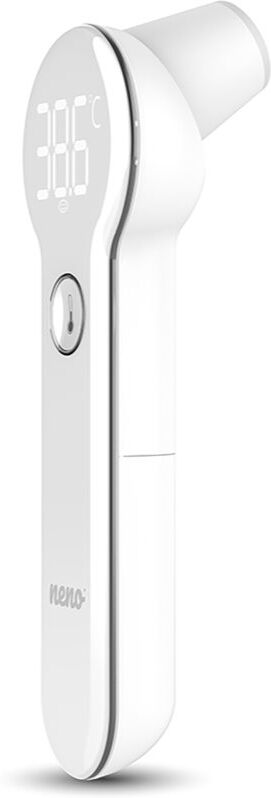
NENO Medic T08 thermomètre sans contact 1 pcsNENO Medic T08, 1 pcs, Thermomètres pour enfants pour enfant, Pour bien prendre soin de bébé, vous devriez toujours avoir le thermomètre pour bébé NENO Medic T08 chez vous. Ce thermomètre vous aidera à déterminer facilement et rapidement la température de votre bébé Le produit : sans contact la température est mesurée en quelques secondes grand écran écran rétroéclairé signal sonore lorsque la température est élevée33,72 €*Shipping: 3,45 €Secure redirect to the provider
-
Chicco Sunglasses 5 years+ lunettes de soleil Boy Black/Green 1 pcsChicco Sunglasses 5 years+, 1 pcs, Accessoires pour enfants pour enfant, Les yeux des enfants sont beaucoup plus sensibles aux rayons de soleil que ceux des adultes. Pensez à les protéger correctement. Les lunettes de soleil Chicco Sunglasses 5 years+ protégeront la vue des tout-petits, qu’ils gambadent en pleine nature ou se promènent en ville. Le produit : filtre 100 % des UVA, UVB et UVC monture très légère monture flexible, branches qui ne se brisent pas et ne restent pas déformées accessoire pratique idéal pour les promenades et les sorties8,30 €*Shipping: 3,45 €Secure redirect to the provider
-
Medela Contact™ Nipple Shields protège-mamelons d’allaitement M (20 mm) 2 pcsMedela Contact™ Nipple Shields, 2 pcs, Protège-mamelons d’allaitement pour femme, Les chapeaux d'allaitement Medela Contact™ Nipple Shields vous aideront à résoudre les problèmes liés à la tétée de votre bébé. Grâce à la forme et au matériel spécialement étudiés, ce moment plein de tendresse entre maman et bébé sera beaucoup plus agréable. Le produit : protège les mamelons douloureux et fissurés corrige les mamelons mal orientés ou plats procure au bébé une sensation confortable et naturelle à chaque tétée protection de forme spéciale permettant au bébé de se blottir contre le sein de la mère pendant la tétée adhère parfaitement au sein en silicone souple15,67 €*Shipping: 3,45 €Secure redirect to the provider
-
How do glaciers melt?
Glaciers melt primarily due to a combination of rising temperatures and the effects of sunlight. When the air temperature increases, the heat is transferred to the glacier, causing the ice to melt. Additionally, sunlight can also contribute to the melting process by absorbing heat and accelerating the melting of the ice. As the ice melts, the water flows into rivers and oceans, contributing to rising sea levels. This process is exacerbated by climate change, which is causing glaciers to melt at an accelerated rate. **
-
What functions do glaciers have?
Glaciers play several important functions in the environment. They act as reservoirs of freshwater, storing large amounts of water in the form of ice. Glaciers also help regulate global climate by reflecting sunlight and cooling the Earth's surface. Additionally, they shape the landscape through processes like erosion and deposition, creating unique landforms such as valleys, fjords, and moraines. Overall, glaciers are crucial components of the Earth's system and have a significant impact on both the environment and human societies. **
-
How can glaciers shape rocks?
Glaciers can shape rocks through a process called glacial erosion. As glaciers move, they pick up rocks and debris, which act as tools to grind and scrape the underlying bedrock. This process can create features such as striations, grooves, and polished surfaces on rocks. Additionally, as glaciers melt, they can deposit the rocks they were carrying, forming landforms like moraines and drumlins. **
-
How can glaciers erode rocks?
Glaciers can erode rocks through a process called plucking and abrasion. Plucking occurs when the glacier freezes onto the rock and then pulls it away as the glacier moves, causing pieces of the rock to be plucked off. Abrasion occurs as the glacier moves and the rocks embedded in the ice scrape against the bedrock, wearing it down over time. These processes can result in the formation of glacial valleys, cirques, and other landforms as the glacier erodes the surrounding rock. **
Similar search terms for Glaciers
-
Medela Contact™ Nipple Shields protège-mamelons d’allaitement S (16 mm) 2 pcsMedela Contact™ Nipple Shields, 2 pcs, Protège-mamelons d’allaitement pour femme, Les chapeaux d'allaitement Medela Contact™ Nipple Shields vous aideront à résoudre les problèmes liés à la tétée de votre bébé. Grâce à la forme et au matériel spécialement étudiés, ce moment plein de tendresse entre maman et bébé sera beaucoup plus agréable. Le produit : protège les mamelons douloureux et fissurés corrige les mamelons mal orientés ou plats procure au bébé une sensation confortable et naturelle à chaque tétée protection de forme spéciale permettant au bébé de se blottir contre le sein de la mère pendant la tétée adhère parfaitement au sein en silicone souple15,67 €*Shipping: 3,45 €Secure redirect to the provider
-
Medela Contact™ Nipple Shields protège-mamelons d’allaitement L (24 mm) 2 pcsMedela Contact™ Nipple Shields, 2 pcs, Protège-mamelons d’allaitement pour femme, Les chapeaux d'allaitement Medela Contact™ Nipple Shields vous aideront à résoudre les problèmes liés à la tétée de votre bébé. Grâce à la forme et au matériel spécialement étudiés, ce moment plein de tendresse entre maman et bébé sera beaucoup plus agréable. Le produit : protège les mamelons douloureux et fissurés corrige les mamelons mal orientés ou plats procure au bébé une sensation confortable et naturelle à chaque tétée protection de forme spéciale permettant au bébé de se blottir contre le sein de la mère pendant la tétée adhère parfaitement au sein en silicone souple15,67 €*Shipping: 3,45 €Secure redirect to the provider
-
Why are glaciers the Earth's thermometers?
Glaciers are considered the Earth's thermometers because they are sensitive indicators of climate change. As temperatures rise, glaciers melt at a faster rate, and their size and extent decrease. By studying the changes in glaciers, scientists can track variations in temperature over time. Additionally, the composition of the ice in glaciers can provide information about past climate conditions, making them valuable tools for understanding the Earth's climate history. **
-
Under what conditions do glaciers form?
Glaciers form under specific conditions of temperature and precipitation. They require cold temperatures to prevent the snow from melting, and a consistent accumulation of snowfall over time. This snow then compresses into ice, forming a glacier. Glaciers are typically found in polar regions or high mountainous areas where these conditions are met. **
-
How have glaciers shaped the ground cover?
Glaciers have significantly shaped the ground cover through processes like erosion, deposition, and transportation of sediments. As glaciers move, they scrape and erode the land, creating valleys, fjords, and cirques. The sediments carried by glaciers are deposited as moraines, drumlins, and eskers, altering the landscape. The melting of glaciers also contributes to the formation of lakes and wetlands, further shaping the ground cover. **
-
What are the different types of glaciers?
There are two main types of glaciers: alpine glaciers and ice sheets. Alpine glaciers are found in mountainous regions and flow down valleys, while ice sheets are massive glaciers that cover large areas of land. Other types of glaciers include tidewater glaciers, which flow into the ocean, and hanging glaciers, which are perched on steep slopes. Each type of glacier has unique characteristics and plays a crucial role in shaping the landscape and influencing climate. **
* All prices are inclusive of VAT and, if applicable, plus shipping costs. The offer information is based on the details provided by the respective shop and is updated through automated processes. Real-time updates do not occur, so deviations can occur in individual cases. ** Note: Parts of this content were created by AI.