Buy vipoptic.be ?
We are moving the project
vipoptic.be .
Are you interested in purchasing the domain
vipoptic.be ?
domain@kv-gmbh.de · 0541-91531010
Buy vipoptic.be ?
Do closed ecosystems work in aquaristics?
Closed ecosystems, also known as self-sustaining ecosystems, can work in aquaristics under the right conditions. These ecosystems can be created in a sealed environment such as a fish tank, where the balance of plants, animals, and microorganisms can sustain themselves without external inputs. However, maintaining a truly closed ecosystem can be challenging, as it requires careful monitoring and management to ensure that all components are in balance. Additionally, closed ecosystems may not be suitable for all types of aquatic life, and some species may require more specific environmental conditions that cannot be fully replicated in a closed system. **
What ecosystems are there in Germany?
Germany is home to a variety of ecosystems, including forests, grasslands, wetlands, rivers, lakes, and coastal areas. The country's diverse landscapes support a wide range of plant and animal species, making it a rich and important biodiversity hotspot. These ecosystems are carefully managed and protected through national parks, nature reserves, and conservation efforts to ensure their preservation for future generations. **


Similar search terms for Ecosystems
Top-Angebote
Products related to Ecosystems:
-
Chicco Sunglasses 5 years+ lunettes de soleil Boy Black/Green 1 pcsChicco Sunglasses 5 years+, 1 pcs, Accessoires pour enfants pour enfant, Les yeux des enfants sont beaucoup plus sensibles aux rayons de soleil que ceux des adultes. Pensez à les protéger correctement. Les lunettes de soleil Chicco Sunglasses 5 years+ protégeront la vue des tout-petits, qu’ils gambadent en pleine nature ou se promènent en ville. Le produit : filtre 100 % des UVA, UVB et UVC monture très légère monture flexible, branches qui ne se brisent pas et ne restent pas déformées accessoire pratique idéal pour les promenades et les sorties8,30 €*Shipping: 3,45 €Secure redirect to the provider
-
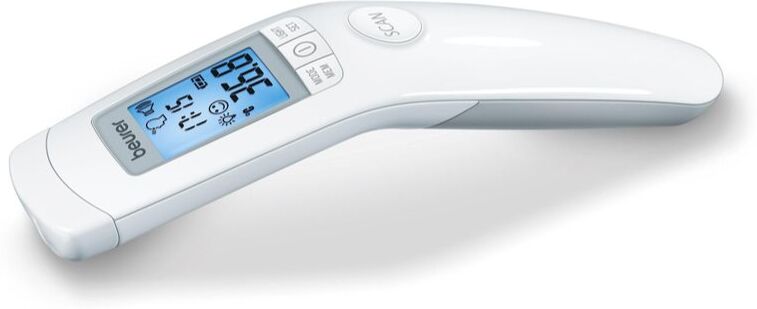
BEURER FT 90 thermomètre sans contact 1 pcsBEURER FT 90, 1 pcs, Thermomètres pour enfants pour homme, Le produit : sans contact fonction d’arrêt automatique écran rétroéclairé la température est mesurée en quelques secondes mesure la température à une distance de plusieurs centimètres signal sonore lorsque la température est élevée l’emballage comprend un étui grand écran mémoire de la dernière mesure signal sonore lorsque la mesure est terminée50,50 €*Shipping: 3,45 €Secure redirect to the provider
-
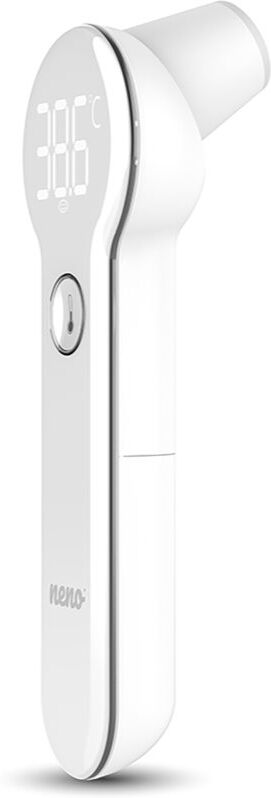
NENO Medic T08 thermomètre sans contact 1 pcsNENO Medic T08, 1 pcs, Thermomètres pour enfants pour enfant, Pour bien prendre soin de bébé, vous devriez toujours avoir le thermomètre pour bébé NENO Medic T08 chez vous. Ce thermomètre vous aidera à déterminer facilement et rapidement la température de votre bébé Le produit : sans contact la température est mesurée en quelques secondes grand écran écran rétroéclairé signal sonore lorsque la température est élevée33,72 €*Shipping: 3,45 €Secure redirect to the provider
-
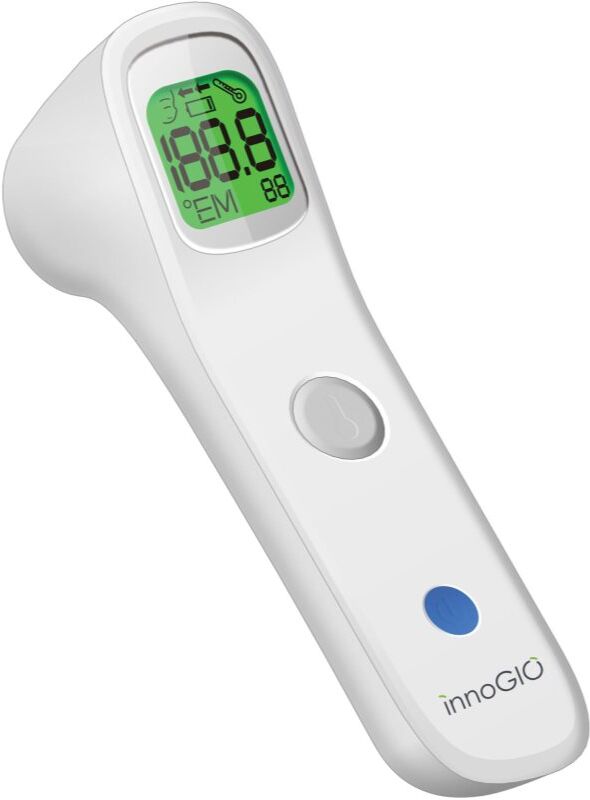
Lionelo Care Feverscan thermomètre sans contact 1 pcsLionelo Care Feverscan, 1 pcs, Thermomètres pour enfants pour femme, Pour bien prendre soin de bébé, vous devriez toujours avoir le thermomètre pour bébé Lionelo Care Feverscan chez vous. Ce thermomètre vous aidera à déterminer facilement et rapidement la température de votre bébé Le produit : sans contact écran rétroéclairé mémoire de la dernière mesure fonction d’arrêt automatique grand écran la température est mesurée en quelques secondes l’emballage comprend un étui24,61 €*Shipping: 3,45 €Secure redirect to the provider


-
What are natural or near-natural ecosystems?
Natural or near-natural ecosystems are areas of land or water that have not been significantly altered by human activity. These ecosystems are characterized by a high degree of biodiversity and are home to a wide variety of plant and animal species. They are often self-sustaining and have complex interactions between different organisms and their environment. Examples of natural or near-natural ecosystems include old-growth forests, coral reefs, and wetlands. These ecosystems are important for maintaining ecological balance and providing essential services such as clean water, air, and habitat for wildlife. **
-
Why are streams or rivers open ecosystems?
Streams or rivers are open ecosystems because they are constantly exchanging energy and materials with their surrounding environment. They receive inputs of water, nutrients, and organic matter from the surrounding land, and they also release water and nutrients downstream. This constant flow of materials and energy allows for a high level of biodiversity and dynamic interactions between the organisms and their environment. Additionally, streams and rivers are often connected to other ecosystems such as wetlands, forests, and lakes, further contributing to their open nature. **
-
How do material cycles work in ecosystems?
Material cycles in ecosystems involve the movement and recycling of essential elements such as carbon, nitrogen, and phosphorus. These elements are taken up by plants from the soil or water, and then transferred to herbivores when they consume the plants. When the herbivores are eaten by carnivores, the elements are further transferred up the food chain. When organisms die, their bodies decompose, releasing the elements back into the environment to be taken up by plants again. This continuous cycling of materials ensures that essential elements are constantly being recycled and made available for use by different organisms in the ecosystem. **
-
What is the topic of ecosystems in biology?
Ecosystems in biology refer to the interactions between living organisms and their physical environment within a specific area. This topic explores how different species within an ecosystem depend on each other for survival, as well as how energy and nutrients flow through the ecosystem. Understanding ecosystems is crucial for studying biodiversity, conservation, and the impact of human activities on natural environments. **

Do decomposers exist in desert ecosystems at all?
Yes, decomposers do exist in desert ecosystems. While the extreme conditions of deserts, such as low moisture and high temperatures, can limit the abundance and diversity of decomposers, there are still organisms that play a role in breaking down organic matter. These may include bacteria, fungi, and invertebrates like termites and ants. Their activity is important for nutrient cycling and soil formation in desert environments. **
What is the term for ecosystems in the ocean?
The term for ecosystems in the ocean is "marine ecosystems." These ecosystems encompass a wide variety of habitats, including coral reefs, open ocean, deep sea, and coastal areas. Marine ecosystems are home to a diverse array of species and play a crucial role in regulating the Earth's climate and providing resources for human populations. **
Top-Angebote
Products related to Ecosystems:
-
Chicco Sunglasses 5 years+ lunettes de soleil Boy Black/Green 1 pcsChicco Sunglasses 5 years+, 1 pcs, Accessoires pour enfants pour enfant, Les yeux des enfants sont beaucoup plus sensibles aux rayons de soleil que ceux des adultes. Pensez à les protéger correctement. Les lunettes de soleil Chicco Sunglasses 5 years+ protégeront la vue des tout-petits, qu’ils gambadent en pleine nature ou se promènent en ville. Le produit : filtre 100 % des UVA, UVB et UVC monture très légère monture flexible, branches qui ne se brisent pas et ne restent pas déformées accessoire pratique idéal pour les promenades et les sorties8,30 €*Shipping: 3,45 €Secure redirect to the provider
-
BEURER FT 90 thermomètre sans contact 1 pcsBEURER FT 90, 1 pcs, Thermomètres pour enfants pour homme, Le produit : sans contact fonction d’arrêt automatique écran rétroéclairé la température est mesurée en quelques secondes mesure la température à une distance de plusieurs centimètres signal sonore lorsque la température est élevée l’emballage comprend un étui grand écran mémoire de la dernière mesure signal sonore lorsque la mesure est terminée50,50 €*Shipping: 3,45 €Secure redirect to the provider
-
Do closed ecosystems work in aquaristics?
Closed ecosystems, also known as self-sustaining ecosystems, can work in aquaristics under the right conditions. These ecosystems can be created in a sealed environment such as a fish tank, where the balance of plants, animals, and microorganisms can sustain themselves without external inputs. However, maintaining a truly closed ecosystem can be challenging, as it requires careful monitoring and management to ensure that all components are in balance. Additionally, closed ecosystems may not be suitable for all types of aquatic life, and some species may require more specific environmental conditions that cannot be fully replicated in a closed system. **
-
What ecosystems are there in Germany?
Germany is home to a variety of ecosystems, including forests, grasslands, wetlands, rivers, lakes, and coastal areas. The country's diverse landscapes support a wide range of plant and animal species, making it a rich and important biodiversity hotspot. These ecosystems are carefully managed and protected through national parks, nature reserves, and conservation efforts to ensure their preservation for future generations. **
-
What are natural or near-natural ecosystems?
Natural or near-natural ecosystems are areas of land or water that have not been significantly altered by human activity. These ecosystems are characterized by a high degree of biodiversity and are home to a wide variety of plant and animal species. They are often self-sustaining and have complex interactions between different organisms and their environment. Examples of natural or near-natural ecosystems include old-growth forests, coral reefs, and wetlands. These ecosystems are important for maintaining ecological balance and providing essential services such as clean water, air, and habitat for wildlife. **
-
Why are streams or rivers open ecosystems?
Streams or rivers are open ecosystems because they are constantly exchanging energy and materials with their surrounding environment. They receive inputs of water, nutrients, and organic matter from the surrounding land, and they also release water and nutrients downstream. This constant flow of materials and energy allows for a high level of biodiversity and dynamic interactions between the organisms and their environment. Additionally, streams and rivers are often connected to other ecosystems such as wetlands, forests, and lakes, further contributing to their open nature. **
Similar search terms for Ecosystems
-
NENO Medic T08 thermomètre sans contact 1 pcsNENO Medic T08, 1 pcs, Thermomètres pour enfants pour enfant, Pour bien prendre soin de bébé, vous devriez toujours avoir le thermomètre pour bébé NENO Medic T08 chez vous. Ce thermomètre vous aidera à déterminer facilement et rapidement la température de votre bébé Le produit : sans contact la température est mesurée en quelques secondes grand écran écran rétroéclairé signal sonore lorsque la température est élevée33,72 €*Shipping: 3,45 €Secure redirect to the provider
-
Lionelo Care Feverscan thermomètre sans contact 1 pcsLionelo Care Feverscan, 1 pcs, Thermomètres pour enfants pour femme, Pour bien prendre soin de bébé, vous devriez toujours avoir le thermomètre pour bébé Lionelo Care Feverscan chez vous. Ce thermomètre vous aidera à déterminer facilement et rapidement la température de votre bébé Le produit : sans contact écran rétroéclairé mémoire de la dernière mesure fonction d’arrêt automatique grand écran la température est mesurée en quelques secondes l’emballage comprend un étui24,61 €*Shipping: 3,45 €Secure redirect to the provider
-
How do material cycles work in ecosystems?
Material cycles in ecosystems involve the movement and recycling of essential elements such as carbon, nitrogen, and phosphorus. These elements are taken up by plants from the soil or water, and then transferred to herbivores when they consume the plants. When the herbivores are eaten by carnivores, the elements are further transferred up the food chain. When organisms die, their bodies decompose, releasing the elements back into the environment to be taken up by plants again. This continuous cycling of materials ensures that essential elements are constantly being recycled and made available for use by different organisms in the ecosystem. **
-
What is the topic of ecosystems in biology?
Ecosystems in biology refer to the interactions between living organisms and their physical environment within a specific area. This topic explores how different species within an ecosystem depend on each other for survival, as well as how energy and nutrients flow through the ecosystem. Understanding ecosystems is crucial for studying biodiversity, conservation, and the impact of human activities on natural environments. **
-
Do decomposers exist in desert ecosystems at all?
Yes, decomposers do exist in desert ecosystems. While the extreme conditions of deserts, such as low moisture and high temperatures, can limit the abundance and diversity of decomposers, there are still organisms that play a role in breaking down organic matter. These may include bacteria, fungi, and invertebrates like termites and ants. Their activity is important for nutrient cycling and soil formation in desert environments. **
-
What is the term for ecosystems in the ocean?
The term for ecosystems in the ocean is "marine ecosystems." These ecosystems encompass a wide variety of habitats, including coral reefs, open ocean, deep sea, and coastal areas. Marine ecosystems are home to a diverse array of species and play a crucial role in regulating the Earth's climate and providing resources for human populations. **
* All prices are inclusive of VAT and, if applicable, plus shipping costs. The offer information is based on the details provided by the respective shop and is updated through automated processes. Real-time updates do not occur, so deviations can occur in individual cases. ** Note: Parts of this content were created by AI.