Buy vipoptic.be ?
We are moving the project
vipoptic.be .
Are you interested in purchasing the domain
vipoptic.be ?
domain@kv-gmbh.de · 0541-91531010
Buy vipoptic.be ?
Who can read Cyrillic?
Cyrillic is primarily used in countries that were part of the former Soviet Union, such as Russia, Ukraine, Belarus, and others. Therefore, people from these countries are most likely to be able to read Cyrillic. Additionally, some other countries in Eastern Europe and Central Asia also use Cyrillic in their writing systems, so people from those regions may also be able to read Cyrillic. Finally, there are individuals around the world who have learned to read Cyrillic for various reasons, such as language study or cultural interest. **
What is the Cyrillic alphabet?
The Cyrillic alphabet is a writing system used for various languages across Eastern Europe and parts of Central Asia. It was developed in the 9th century in the First Bulgarian Empire and is named after Saint Cyril, one of the two Byzantine brothers who created the Glagolitic alphabet. The Cyrillic alphabet is used in countries such as Russia, Ukraine, Bulgaria, and Serbia, among others. It consists of 33 letters and is known for its distinctive characters and pronunciation. **
Similar search terms for Cyrillic
Top-Angebote
Products related to Cyrillic:
-
Chicco Sunglasses 5 years+ lunettes de soleil Boy Black/Green 1 pcsChicco Sunglasses 5 years+, 1 pcs, Accessoires pour enfants pour enfant, Les yeux des enfants sont beaucoup plus sensibles aux rayons de soleil que ceux des adultes. Pensez à les protéger correctement. Les lunettes de soleil Chicco Sunglasses 5 years+ protégeront la vue des tout-petits, qu’ils gambadent en pleine nature ou se promènent en ville. Le produit : filtre 100 % des UVA, UVB et UVC monture très légère monture flexible, branches qui ne se brisent pas et ne restent pas déformées accessoire pratique idéal pour les promenades et les sorties8,30 €*Shipping: 3,45 €Secure redirect to the provider
-
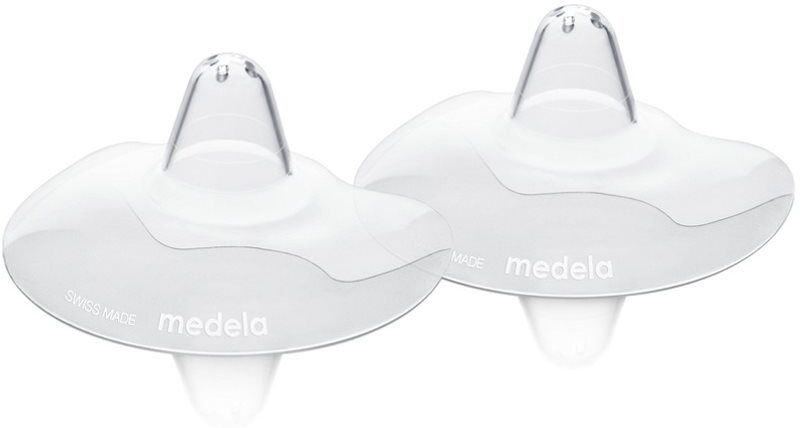
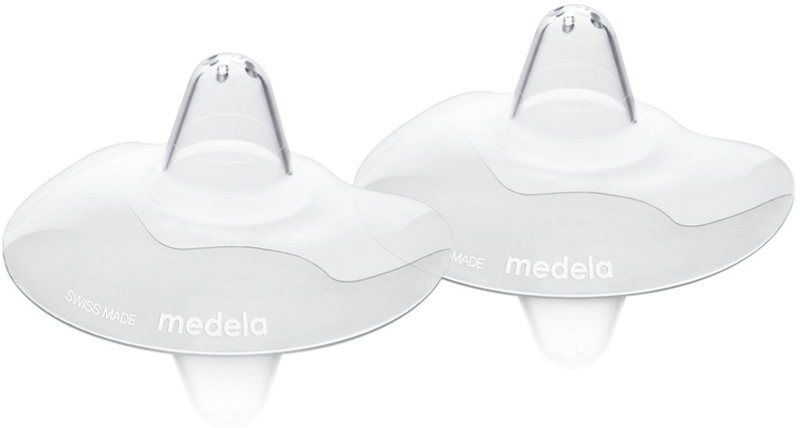
Medela Contact™ Nipple Shields protège-mamelons d’allaitement M (20 mm) 2 pcsMedela Contact™ Nipple Shields, 2 pcs, Protège-mamelons d’allaitement pour femme, Les chapeaux d'allaitement Medela Contact™ Nipple Shields vous aideront à résoudre les problèmes liés à la tétée de votre bébé. Grâce à la forme et au matériel spécialement étudiés, ce moment plein de tendresse entre maman et bébé sera beaucoup plus agréable. Le produit : protège les mamelons douloureux et fissurés corrige les mamelons mal orientés ou plats procure au bébé une sensation confortable et naturelle à chaque tétée protection de forme spéciale permettant au bébé de se blottir contre le sein de la mère pendant la tétée adhère parfaitement au sein en silicone souple15,67 €*Shipping: 3,45 €Secure redirect to the provider
-
Dettol Soft on Skin Kids No-Touch Refill recharge pour doseur de savon sans contact Honey & Vanilla 250 mlDettol Soft on Skin Kids No-Touch Refill, 250 ml, Savons pour femme, Pour les moments où vous devez compter sur des mains parfaitement propres, Dettol Soft on Skin Kids No-Touch Refill le savon est votre meilleure option. Il nettoie efficacement la peau et élimine toutes les impuretés. Le produit : nettoie la peau parfum frais et agréable activité antimicrobienne recharge de savon pour distributeur sans contact Mode d’emploi : Appliquer une quantité appropriée de savon sur la peau humide des mains, faire mousser puis rincer à l'eau.4,20 €*Shipping: 3,45 €Secure redirect to the provider


-
What is Cyrillic cursive writing?
Cyrillic cursive writing is a style of handwriting used for the Cyrillic script, which is the script used for languages such as Russian, Bulgarian, and Serbian. It is characterized by connected letters that flow together in a more fluid and continuous manner compared to print writing. Cyrillic cursive writing can vary in style and legibility depending on the individual's handwriting. It is commonly used for everyday writing tasks such as note-taking, letter writing, and filling out forms. **
-
Is the Cyrillic alphabet difficult?
The difficulty of the Cyrillic alphabet depends on the individual's familiarity with it. For those who are already familiar with the Latin alphabet, learning Cyrillic may take some time to adjust to the new characters and sounds. However, with practice and exposure, many people find that they can quickly adapt to reading and writing in Cyrillic. Overall, while it may initially seem challenging, the Cyrillic alphabet can become easier to navigate with time and practice. **
-
What is the Cyrillic script?
The Cyrillic script is an alphabet used for writing various languages, including Russian, Bulgarian, Serbian, and Ukrainian. It was developed in the 9th century in the First Bulgarian Empire and is based on the Greek alphabet. The script consists of 33 letters and is known for its distinctive characters and shapes. Cyrillic is widely used in Eastern Europe and Central Asia. **
-
Which presumably Cyrillic characters are these?
The characters shown are most likely the Cyrillic letters "Д" (pronounced as "De"), "И" (pronounced as "Ee"), "Л" (pronounced as "El"), and "Я" (pronounced as "Ya"). These characters are commonly used in the Russian alphabet and some other Slavic languages. The combination of these characters could form various words or names in Cyrillic script. **
Why is Cyrillic on the Euro?
Cyrillic is featured on the Euro banknotes to reflect the linguistic diversity within the European Union. The Euro banknotes include the word "Euro" written in both the Latin and Cyrillic scripts to cater to countries like Bulgaria, where Cyrillic is the official script. This inclusion helps to promote inclusivity and recognition of different languages and writing systems within the EU. **
What is the Russian Cyrillic alphabet?
The Russian Cyrillic alphabet is the writing system used for the Russian language and several other languages in Russia and neighboring countries. It consists of 33 letters, including 10 vowels and 21 consonants, and is based on the Greek alphabet. The Cyrillic alphabet was developed in the 9th century and has undergone several reforms and modifications over the centuries. It is also used in countries such as Ukraine, Belarus, and Kazakhstan, among others. **
Top-Angebote
Products related to Cyrillic:
-
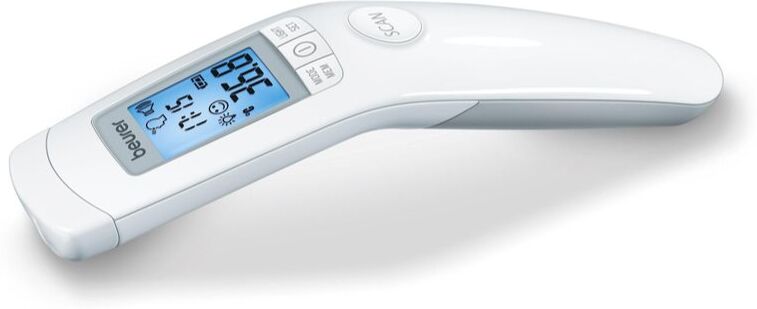
BEURER FT 90 thermomètre sans contact 1 pcsBEURER FT 90, 1 pcs, Thermomètres pour enfants pour homme, Le produit : sans contact fonction d’arrêt automatique écran rétroéclairé la température est mesurée en quelques secondes mesure la température à une distance de plusieurs centimètres signal sonore lorsque la température est élevée l’emballage comprend un étui grand écran mémoire de la dernière mesure signal sonore lorsque la mesure est terminée50,50 €*Shipping: 3,45 €Secure redirect to the provider
-
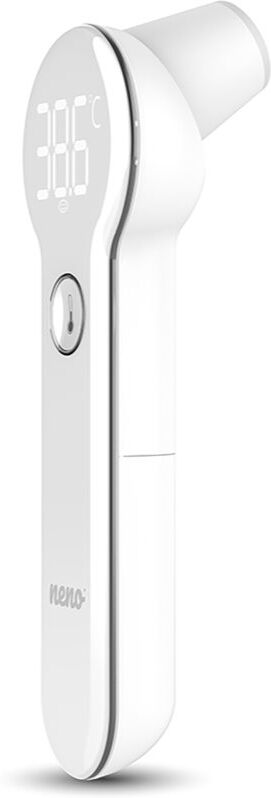
NENO Medic T08 thermomètre sans contact 1 pcsNENO Medic T08, 1 pcs, Thermomètres pour enfants pour enfant, Pour bien prendre soin de bébé, vous devriez toujours avoir le thermomètre pour bébé NENO Medic T08 chez vous. Ce thermomètre vous aidera à déterminer facilement et rapidement la température de votre bébé Le produit : sans contact la température est mesurée en quelques secondes grand écran écran rétroéclairé signal sonore lorsque la température est élevée33,72 €*Shipping: 3,45 €Secure redirect to the provider
-
Chicco Sunglasses 5 years+ lunettes de soleil Boy Black/Green 1 pcsChicco Sunglasses 5 years+, 1 pcs, Accessoires pour enfants pour enfant, Les yeux des enfants sont beaucoup plus sensibles aux rayons de soleil que ceux des adultes. Pensez à les protéger correctement. Les lunettes de soleil Chicco Sunglasses 5 years+ protégeront la vue des tout-petits, qu’ils gambadent en pleine nature ou se promènent en ville. Le produit : filtre 100 % des UVA, UVB et UVC monture très légère monture flexible, branches qui ne se brisent pas et ne restent pas déformées accessoire pratique idéal pour les promenades et les sorties8,30 €*Shipping: 3,45 €Secure redirect to the provider
-
Who can read Cyrillic?
Cyrillic is primarily used in countries that were part of the former Soviet Union, such as Russia, Ukraine, Belarus, and others. Therefore, people from these countries are most likely to be able to read Cyrillic. Additionally, some other countries in Eastern Europe and Central Asia also use Cyrillic in their writing systems, so people from those regions may also be able to read Cyrillic. Finally, there are individuals around the world who have learned to read Cyrillic for various reasons, such as language study or cultural interest. **
-
What is the Cyrillic alphabet?
The Cyrillic alphabet is a writing system used for various languages across Eastern Europe and parts of Central Asia. It was developed in the 9th century in the First Bulgarian Empire and is named after Saint Cyril, one of the two Byzantine brothers who created the Glagolitic alphabet. The Cyrillic alphabet is used in countries such as Russia, Ukraine, Bulgaria, and Serbia, among others. It consists of 33 letters and is known for its distinctive characters and pronunciation. **
-
What is Cyrillic cursive writing?
Cyrillic cursive writing is a style of handwriting used for the Cyrillic script, which is the script used for languages such as Russian, Bulgarian, and Serbian. It is characterized by connected letters that flow together in a more fluid and continuous manner compared to print writing. Cyrillic cursive writing can vary in style and legibility depending on the individual's handwriting. It is commonly used for everyday writing tasks such as note-taking, letter writing, and filling out forms. **
-
Is the Cyrillic alphabet difficult?
The difficulty of the Cyrillic alphabet depends on the individual's familiarity with it. For those who are already familiar with the Latin alphabet, learning Cyrillic may take some time to adjust to the new characters and sounds. However, with practice and exposure, many people find that they can quickly adapt to reading and writing in Cyrillic. Overall, while it may initially seem challenging, the Cyrillic alphabet can become easier to navigate with time and practice. **
Similar search terms for Cyrillic
-
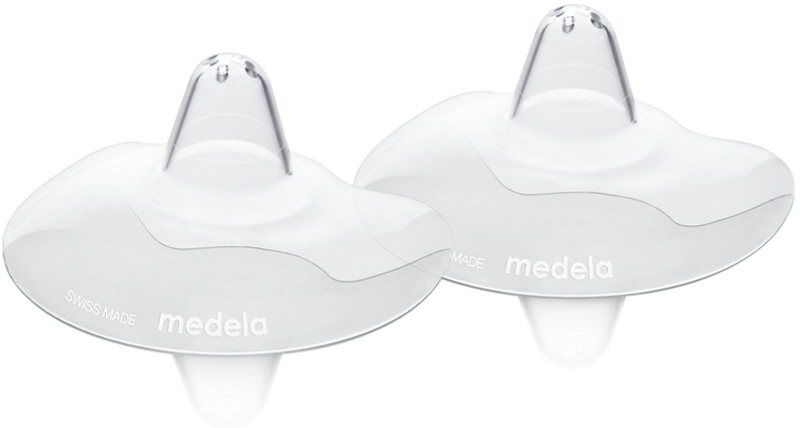
Medela Contact™ Nipple Shields protège-mamelons d’allaitement M (20 mm) 2 pcsMedela Contact™ Nipple Shields, 2 pcs, Protège-mamelons d’allaitement pour femme, Les chapeaux d'allaitement Medela Contact™ Nipple Shields vous aideront à résoudre les problèmes liés à la tétée de votre bébé. Grâce à la forme et au matériel spécialement étudiés, ce moment plein de tendresse entre maman et bébé sera beaucoup plus agréable. Le produit : protège les mamelons douloureux et fissurés corrige les mamelons mal orientés ou plats procure au bébé une sensation confortable et naturelle à chaque tétée protection de forme spéciale permettant au bébé de se blottir contre le sein de la mère pendant la tétée adhère parfaitement au sein en silicone souple15,67 €*Shipping: 3,45 €Secure redirect to the provider
-
Dettol Soft on Skin Kids No-Touch Refill recharge pour doseur de savon sans contact Honey & Vanilla 250 mlDettol Soft on Skin Kids No-Touch Refill, 250 ml, Savons pour femme, Pour les moments où vous devez compter sur des mains parfaitement propres, Dettol Soft on Skin Kids No-Touch Refill le savon est votre meilleure option. Il nettoie efficacement la peau et élimine toutes les impuretés. Le produit : nettoie la peau parfum frais et agréable activité antimicrobienne recharge de savon pour distributeur sans contact Mode d’emploi : Appliquer une quantité appropriée de savon sur la peau humide des mains, faire mousser puis rincer à l'eau.4,20 €*Shipping: 3,45 €Secure redirect to the provider
-
Medela Contact™ Nipple Shields protège-mamelons d’allaitement S (16 mm) 2 pcsMedela Contact™ Nipple Shields, 2 pcs, Protège-mamelons d’allaitement pour femme, Les chapeaux d'allaitement Medela Contact™ Nipple Shields vous aideront à résoudre les problèmes liés à la tétée de votre bébé. Grâce à la forme et au matériel spécialement étudiés, ce moment plein de tendresse entre maman et bébé sera beaucoup plus agréable. Le produit : protège les mamelons douloureux et fissurés corrige les mamelons mal orientés ou plats procure au bébé une sensation confortable et naturelle à chaque tétée protection de forme spéciale permettant au bébé de se blottir contre le sein de la mère pendant la tétée adhère parfaitement au sein en silicone souple15,67 €*Shipping: 3,45 €Secure redirect to the provider
-
Medela Contact™ Nipple Shields protège-mamelons d’allaitement L (24 mm) 2 pcsMedela Contact™ Nipple Shields, 2 pcs, Protège-mamelons d’allaitement pour femme, Les chapeaux d'allaitement Medela Contact™ Nipple Shields vous aideront à résoudre les problèmes liés à la tétée de votre bébé. Grâce à la forme et au matériel spécialement étudiés, ce moment plein de tendresse entre maman et bébé sera beaucoup plus agréable. Le produit : protège les mamelons douloureux et fissurés corrige les mamelons mal orientés ou plats procure au bébé une sensation confortable et naturelle à chaque tétée protection de forme spéciale permettant au bébé de se blottir contre le sein de la mère pendant la tétée adhère parfaitement au sein en silicone souple15,67 €*Shipping: 3,45 €Secure redirect to the provider
-
What is the Cyrillic script?
The Cyrillic script is an alphabet used for writing various languages, including Russian, Bulgarian, Serbian, and Ukrainian. It was developed in the 9th century in the First Bulgarian Empire and is based on the Greek alphabet. The script consists of 33 letters and is known for its distinctive characters and shapes. Cyrillic is widely used in Eastern Europe and Central Asia. **
-
Which presumably Cyrillic characters are these?
The characters shown are most likely the Cyrillic letters "Д" (pronounced as "De"), "И" (pronounced as "Ee"), "Л" (pronounced as "El"), and "Я" (pronounced as "Ya"). These characters are commonly used in the Russian alphabet and some other Slavic languages. The combination of these characters could form various words or names in Cyrillic script. **
-
Why is Cyrillic on the Euro?
Cyrillic is featured on the Euro banknotes to reflect the linguistic diversity within the European Union. The Euro banknotes include the word "Euro" written in both the Latin and Cyrillic scripts to cater to countries like Bulgaria, where Cyrillic is the official script. This inclusion helps to promote inclusivity and recognition of different languages and writing systems within the EU. **
-
What is the Russian Cyrillic alphabet?
The Russian Cyrillic alphabet is the writing system used for the Russian language and several other languages in Russia and neighboring countries. It consists of 33 letters, including 10 vowels and 21 consonants, and is based on the Greek alphabet. The Cyrillic alphabet was developed in the 9th century and has undergone several reforms and modifications over the centuries. It is also used in countries such as Ukraine, Belarus, and Kazakhstan, among others. **
* All prices are inclusive of VAT and, if applicable, plus shipping costs. The offer information is based on the details provided by the respective shop and is updated through automated processes. Real-time updates do not occur, so deviations can occur in individual cases. ** Note: Parts of this content were created by AI.