Buy vipoptic.be ?
We are moving the project
vipoptic.be .
Are you interested in purchasing the domain
vipoptic.be ?
domain@kv-gmbh.de · 0541-91531010
Buy vipoptic.be ?
How is cloning applied?
Cloning is applied in various fields such as agriculture, medicine, and research. In agriculture, cloning is used to produce genetically identical plants or animals with desirable traits, such as disease resistance or high yield. In medicine, cloning is used to create stem cells for potential therapeutic purposes, or to produce animal models for studying diseases. In research, cloning is used to study genetic and developmental processes, as well as to preserve endangered species. Overall, cloning has a wide range of applications with potential benefits in different fields. **
Is cloning identity fraud?
Cloning is not the same as identity fraud. Cloning refers to the creation of a genetically identical copy of an organism, while identity fraud involves using someone else's personal information for fraudulent purposes. While cloning may raise ethical and moral concerns, it is not the same as the criminal act of identity fraud. However, the potential misuse of cloned genetic material could potentially lead to identity fraud if used to create false identities. **

Similar search terms for Cloning
Top-Angebote
Products related to Cloning:
-
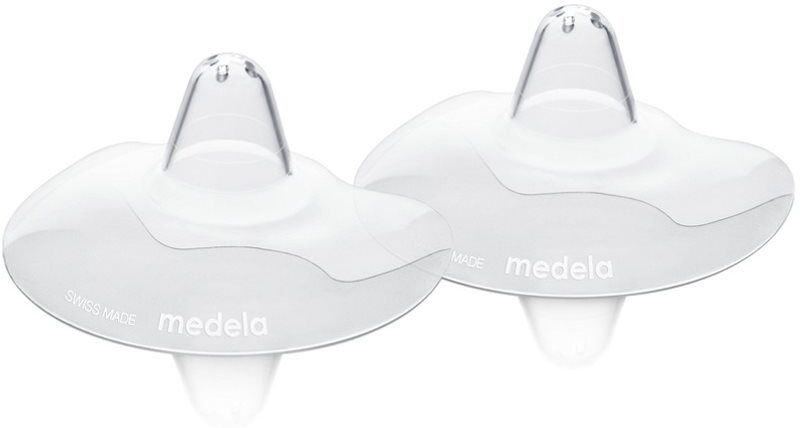
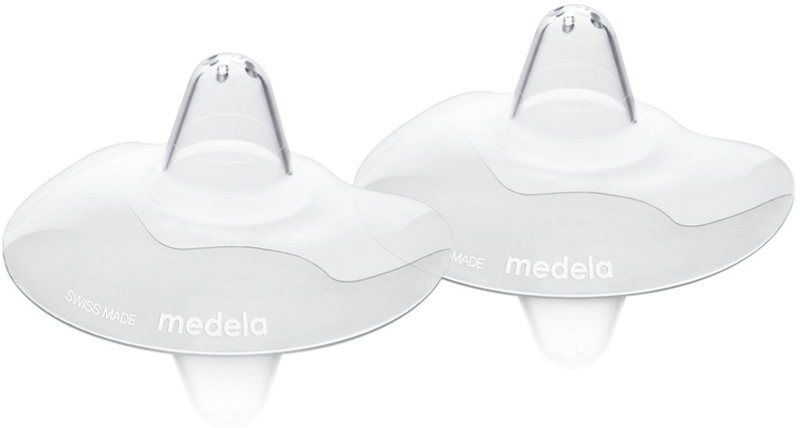
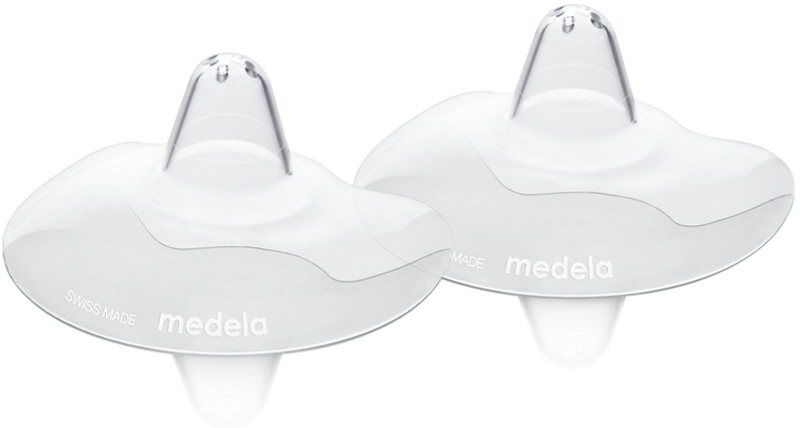
Medela Contact™ Nipple Shields protège-mamelons d’allaitement M (20 mm) 2 pcsMedela Contact™ Nipple Shields, 2 pcs, Protège-mamelons d’allaitement pour femme, Les chapeaux d'allaitement Medela Contact™ Nipple Shields vous aideront à résoudre les problèmes liés à la tétée de votre bébé. Grâce à la forme et au matériel spécialement étudiés, ce moment plein de tendresse entre maman et bébé sera beaucoup plus agréable. Le produit : protège les mamelons douloureux et fissurés corrige les mamelons mal orientés ou plats procure au bébé une sensation confortable et naturelle à chaque tétée protection de forme spéciale permettant au bébé de se blottir contre le sein de la mère pendant la tétée adhère parfaitement au sein en silicone souple15,67 €*Shipping: 3,45 €Secure redirect to the provider
-
Medela Contact™ Nipple Shields protège-mamelons d’allaitement S (16 mm) 2 pcsMedela Contact™ Nipple Shields, 2 pcs, Protège-mamelons d’allaitement pour femme, Les chapeaux d'allaitement Medela Contact™ Nipple Shields vous aideront à résoudre les problèmes liés à la tétée de votre bébé. Grâce à la forme et au matériel spécialement étudiés, ce moment plein de tendresse entre maman et bébé sera beaucoup plus agréable. Le produit : protège les mamelons douloureux et fissurés corrige les mamelons mal orientés ou plats procure au bébé une sensation confortable et naturelle à chaque tétée protection de forme spéciale permettant au bébé de se blottir contre le sein de la mère pendant la tétée adhère parfaitement au sein en silicone souple15,67 €*Shipping: 3,45 €Secure redirect to the provider
-
Medela Contact™ Nipple Shields protège-mamelons d’allaitement L (24 mm) 2 pcsMedela Contact™ Nipple Shields, 2 pcs, Protège-mamelons d’allaitement pour femme, Les chapeaux d'allaitement Medela Contact™ Nipple Shields vous aideront à résoudre les problèmes liés à la tétée de votre bébé. Grâce à la forme et au matériel spécialement étudiés, ce moment plein de tendresse entre maman et bébé sera beaucoup plus agréable. Le produit : protège les mamelons douloureux et fissurés corrige les mamelons mal orientés ou plats procure au bébé une sensation confortable et naturelle à chaque tétée protection de forme spéciale permettant au bébé de se blottir contre le sein de la mère pendant la tétée adhère parfaitement au sein en silicone souple15,67 €*Shipping: 3,45 €Secure redirect to the provider
-
What does cloning mean?
Cloning is the process of creating an identical copy of an organism or a specific gene or DNA sequence. This can be done through various techniques, such as somatic cell nuclear transfer or gene cloning. Cloning can be used for a variety of purposes, including scientific research, medical treatments, and agricultural practices. However, it also raises ethical and moral concerns, particularly when it comes to cloning humans. **
-
How does cloning work?
Cloning is the process of creating a genetically identical copy of an organism. In the case of reproductive cloning, the nucleus of a donor cell is inserted into an egg cell that has had its nucleus removed. The egg cell is then stimulated to divide and develop into an embryo, which is then implanted into a surrogate mother. In the case of therapeutic cloning, the cloned embryo is used to harvest stem cells for medical research and potential treatment of diseases. The process of cloning has ethical and scientific implications and continues to be a topic of debate and research. **
-
What do you think about human cloning and the associated therapeutic cloning?
I believe that human cloning raises ethical concerns regarding individuality, identity, and the potential exploitation of cloned individuals. However, therapeutic cloning, which involves creating cloned embryos for medical research and potential treatments, holds promise for advancing regenerative medicine and treating various diseases. It is important to carefully consider the ethical implications and regulations surrounding these practices to ensure that they are used responsibly and ethically. **
-
What is therapeutic cloning and what is the difference to reproductive cloning?
Therapeutic cloning, also known as somatic cell nuclear transfer, is a process in which a cell from a patient is used to create an embryo that is genetically identical to the patient. The purpose of therapeutic cloning is to harvest stem cells from the embryo, which can then be used for medical treatments and research. Reproductive cloning, on the other hand, is the process of creating a genetically identical copy of an organism. This is typically done by transferring the nucleus of a donor cell into an egg cell that has had its nucleus removed, and then implanting the resulting embryo into a surrogate mother. The goal of reproductive cloning is to produce a living organism with the same genetic makeup as the donor. The main difference between therapeutic cloning and reproductive cloning is the intended outcome: therapeutic cloning is focused on producing stem cells for medical purposes, while reproductive cloning is focused on creating a living organism. **
How can cloning be manipulated?
Cloning can be manipulated through various techniques such as somatic cell nuclear transfer, where the nucleus of a somatic cell is transferred into an enucleated egg cell to create a clone. Additionally, gene editing technologies like CRISPR can be used to modify the genetic material of the cloned organism. Cloning can also be manipulated through the use of different culture conditions and growth factors to enhance the development and viability of cloned embryos. Overall, cloning can be manipulated through a combination of genetic, cellular, and environmental techniques to achieve specific desired outcomes. **
Where is reproductive cloning applied?
Reproductive cloning is applied in the field of animal breeding and genetic research. It is used to create genetically identical animals for agricultural purposes, such as producing high-quality livestock or preserving endangered species. Reproductive cloning has also been used in scientific research to study the effects of genetic modifications and to develop new medical treatments. However, it is not currently used in human reproduction due to ethical and safety concerns. **
Top-Angebote
Products related to Cloning:
-
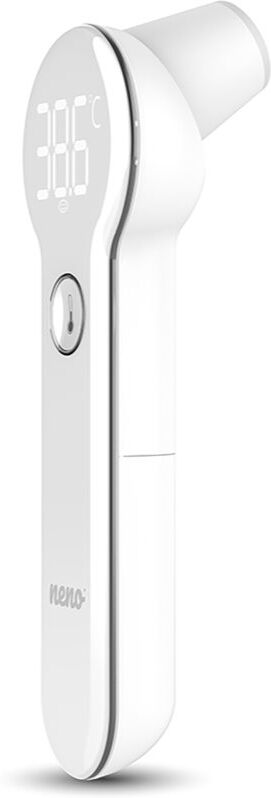
NENO Medic T08 thermomètre sans contact 1 pcsNENO Medic T08, 1 pcs, Thermomètres pour enfants pour enfant, Pour bien prendre soin de bébé, vous devriez toujours avoir le thermomètre pour bébé NENO Medic T08 chez vous. Ce thermomètre vous aidera à déterminer facilement et rapidement la température de votre bébé Le produit : sans contact la température est mesurée en quelques secondes grand écran écran rétroéclairé signal sonore lorsque la température est élevée33,72 €*Shipping: 3,45 €Secure redirect to the provider
-
Chicco Sunglasses 5 years+ lunettes de soleil Boy Black/Green 1 pcsChicco Sunglasses 5 years+, 1 pcs, Accessoires pour enfants pour enfant, Les yeux des enfants sont beaucoup plus sensibles aux rayons de soleil que ceux des adultes. Pensez à les protéger correctement. Les lunettes de soleil Chicco Sunglasses 5 years+ protégeront la vue des tout-petits, qu’ils gambadent en pleine nature ou se promènent en ville. Le produit : filtre 100 % des UVA, UVB et UVC monture très légère monture flexible, branches qui ne se brisent pas et ne restent pas déformées accessoire pratique idéal pour les promenades et les sorties8,30 €*Shipping: 3,45 €Secure redirect to the provider
-
Medela Contact™ Nipple Shields protège-mamelons d’allaitement M (20 mm) 2 pcsMedela Contact™ Nipple Shields, 2 pcs, Protège-mamelons d’allaitement pour femme, Les chapeaux d'allaitement Medela Contact™ Nipple Shields vous aideront à résoudre les problèmes liés à la tétée de votre bébé. Grâce à la forme et au matériel spécialement étudiés, ce moment plein de tendresse entre maman et bébé sera beaucoup plus agréable. Le produit : protège les mamelons douloureux et fissurés corrige les mamelons mal orientés ou plats procure au bébé une sensation confortable et naturelle à chaque tétée protection de forme spéciale permettant au bébé de se blottir contre le sein de la mère pendant la tétée adhère parfaitement au sein en silicone souple15,67 €*Shipping: 3,45 €Secure redirect to the provider
-
How is cloning applied?
Cloning is applied in various fields such as agriculture, medicine, and research. In agriculture, cloning is used to produce genetically identical plants or animals with desirable traits, such as disease resistance or high yield. In medicine, cloning is used to create stem cells for potential therapeutic purposes, or to produce animal models for studying diseases. In research, cloning is used to study genetic and developmental processes, as well as to preserve endangered species. Overall, cloning has a wide range of applications with potential benefits in different fields. **
-
Is cloning identity fraud?
Cloning is not the same as identity fraud. Cloning refers to the creation of a genetically identical copy of an organism, while identity fraud involves using someone else's personal information for fraudulent purposes. While cloning may raise ethical and moral concerns, it is not the same as the criminal act of identity fraud. However, the potential misuse of cloned genetic material could potentially lead to identity fraud if used to create false identities. **
-
What does cloning mean?
Cloning is the process of creating an identical copy of an organism or a specific gene or DNA sequence. This can be done through various techniques, such as somatic cell nuclear transfer or gene cloning. Cloning can be used for a variety of purposes, including scientific research, medical treatments, and agricultural practices. However, it also raises ethical and moral concerns, particularly when it comes to cloning humans. **
-
How does cloning work?
Cloning is the process of creating a genetically identical copy of an organism. In the case of reproductive cloning, the nucleus of a donor cell is inserted into an egg cell that has had its nucleus removed. The egg cell is then stimulated to divide and develop into an embryo, which is then implanted into a surrogate mother. In the case of therapeutic cloning, the cloned embryo is used to harvest stem cells for medical research and potential treatment of diseases. The process of cloning has ethical and scientific implications and continues to be a topic of debate and research. **
Similar search terms for Cloning
-
Medela Contact™ Nipple Shields protège-mamelons d’allaitement S (16 mm) 2 pcsMedela Contact™ Nipple Shields, 2 pcs, Protège-mamelons d’allaitement pour femme, Les chapeaux d'allaitement Medela Contact™ Nipple Shields vous aideront à résoudre les problèmes liés à la tétée de votre bébé. Grâce à la forme et au matériel spécialement étudiés, ce moment plein de tendresse entre maman et bébé sera beaucoup plus agréable. Le produit : protège les mamelons douloureux et fissurés corrige les mamelons mal orientés ou plats procure au bébé une sensation confortable et naturelle à chaque tétée protection de forme spéciale permettant au bébé de se blottir contre le sein de la mère pendant la tétée adhère parfaitement au sein en silicone souple15,67 €*Shipping: 3,45 €Secure redirect to the provider
-
Medela Contact™ Nipple Shields protège-mamelons d’allaitement L (24 mm) 2 pcsMedela Contact™ Nipple Shields, 2 pcs, Protège-mamelons d’allaitement pour femme, Les chapeaux d'allaitement Medela Contact™ Nipple Shields vous aideront à résoudre les problèmes liés à la tétée de votre bébé. Grâce à la forme et au matériel spécialement étudiés, ce moment plein de tendresse entre maman et bébé sera beaucoup plus agréable. Le produit : protège les mamelons douloureux et fissurés corrige les mamelons mal orientés ou plats procure au bébé une sensation confortable et naturelle à chaque tétée protection de forme spéciale permettant au bébé de se blottir contre le sein de la mère pendant la tétée adhère parfaitement au sein en silicone souple15,67 €*Shipping: 3,45 €Secure redirect to the provider
-
What do you think about human cloning and the associated therapeutic cloning?
I believe that human cloning raises ethical concerns regarding individuality, identity, and the potential exploitation of cloned individuals. However, therapeutic cloning, which involves creating cloned embryos for medical research and potential treatments, holds promise for advancing regenerative medicine and treating various diseases. It is important to carefully consider the ethical implications and regulations surrounding these practices to ensure that they are used responsibly and ethically. **
-
What is therapeutic cloning and what is the difference to reproductive cloning?
Therapeutic cloning, also known as somatic cell nuclear transfer, is a process in which a cell from a patient is used to create an embryo that is genetically identical to the patient. The purpose of therapeutic cloning is to harvest stem cells from the embryo, which can then be used for medical treatments and research. Reproductive cloning, on the other hand, is the process of creating a genetically identical copy of an organism. This is typically done by transferring the nucleus of a donor cell into an egg cell that has had its nucleus removed, and then implanting the resulting embryo into a surrogate mother. The goal of reproductive cloning is to produce a living organism with the same genetic makeup as the donor. The main difference between therapeutic cloning and reproductive cloning is the intended outcome: therapeutic cloning is focused on producing stem cells for medical purposes, while reproductive cloning is focused on creating a living organism. **
-
How can cloning be manipulated?
Cloning can be manipulated through various techniques such as somatic cell nuclear transfer, where the nucleus of a somatic cell is transferred into an enucleated egg cell to create a clone. Additionally, gene editing technologies like CRISPR can be used to modify the genetic material of the cloned organism. Cloning can also be manipulated through the use of different culture conditions and growth factors to enhance the development and viability of cloned embryos. Overall, cloning can be manipulated through a combination of genetic, cellular, and environmental techniques to achieve specific desired outcomes. **
-
Where is reproductive cloning applied?
Reproductive cloning is applied in the field of animal breeding and genetic research. It is used to create genetically identical animals for agricultural purposes, such as producing high-quality livestock or preserving endangered species. Reproductive cloning has also been used in scientific research to study the effects of genetic modifications and to develop new medical treatments. However, it is not currently used in human reproduction due to ethical and safety concerns. **
* All prices are inclusive of VAT and, if applicable, plus shipping costs. The offer information is based on the details provided by the respective shop and is updated through automated processes. Real-time updates do not occur, so deviations can occur in individual cases. ** Note: Parts of this content were created by AI.