Buy vipoptic.be ?
We are moving the project
vipoptic.be .
Are you interested in purchasing the domain
vipoptic.be ?
domain@kv-gmbh.de · 0541-91531010
Buy vipoptic.be ?
Is possessiveness a disease?
Possessiveness is not considered a disease in the medical sense, but it can be a harmful trait that negatively impacts relationships and mental well-being. Excessive possessiveness can lead to controlling behavior, jealousy, and insecurity, which can strain relationships and cause distress for both the possessive individual and their partner. It is important to address possessiveness through communication, self-reflection, and potentially seeking therapy to work through underlying issues that may be contributing to this behavior. **
Is possessiveness also present in marriage?
Yes, possessiveness can be present in marriage. It can stem from feelings of insecurity, fear of losing one's partner, or a desire to control the relationship. While some level of possessiveness is normal in a romantic relationship, it can become unhealthy if it leads to jealousy, controlling behavior, or lack of trust. It is important for couples to communicate openly, set boundaries, and work on building trust to prevent possessiveness from negatively impacting their marriage. **
Similar search terms for Possessiveness
Top-Angebote
Products related to Possessiveness:
-
Chicco Sunglasses 5 years+ lunettes de soleil Boy Black/Green 1 pcsChicco Sunglasses 5 years+, 1 pcs, Accessoires pour enfants pour enfant, Les yeux des enfants sont beaucoup plus sensibles aux rayons de soleil que ceux des adultes. Pensez à les protéger correctement. Les lunettes de soleil Chicco Sunglasses 5 years+ protégeront la vue des tout-petits, qu’ils gambadent en pleine nature ou se promènent en ville. Le produit : filtre 100 % des UVA, UVB et UVC monture très légère monture flexible, branches qui ne se brisent pas et ne restent pas déformées accessoire pratique idéal pour les promenades et les sorties8,30 €*Shipping: 3,45 €Secure redirect to the provider
-
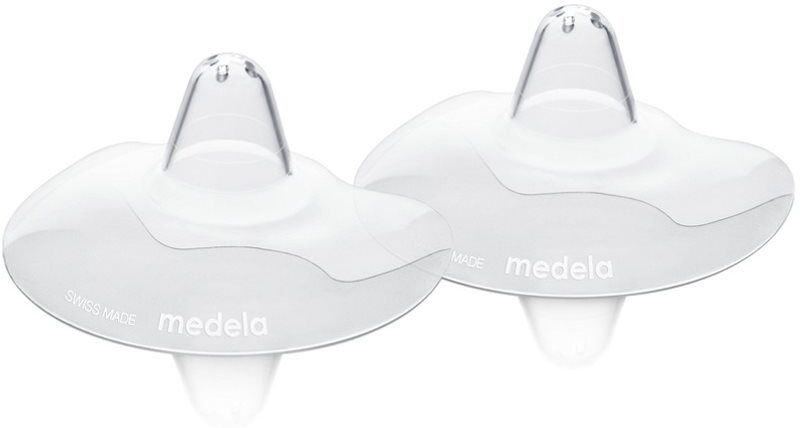
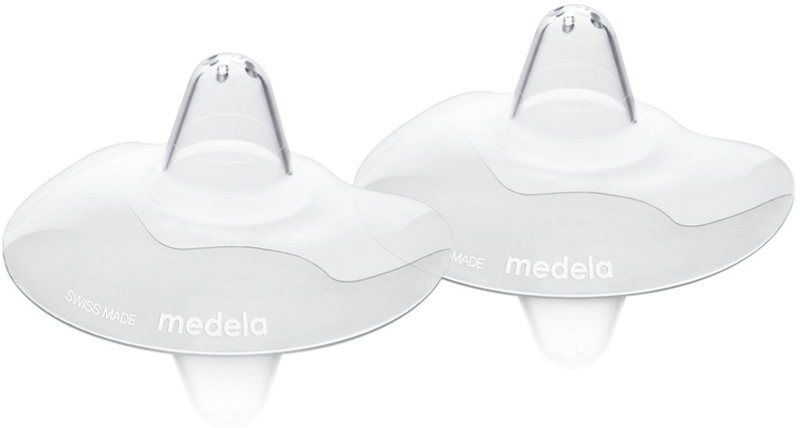
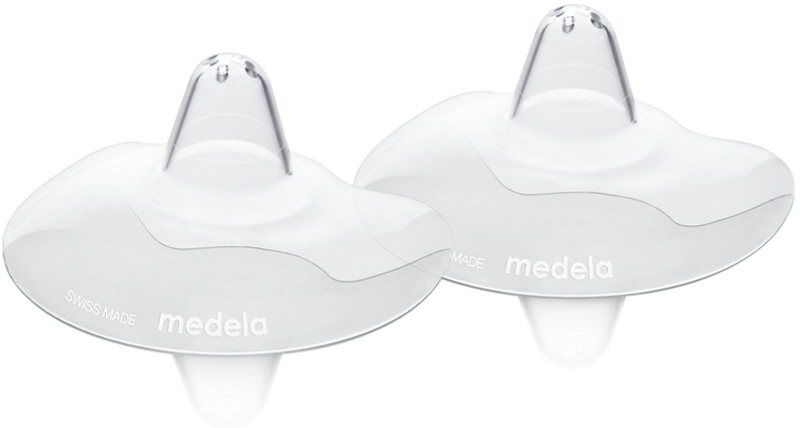
Medela Contact™ Nipple Shields protège-mamelons d’allaitement M (20 mm) 2 pcsMedela Contact™ Nipple Shields, 2 pcs, Protège-mamelons d’allaitement pour femme, Les chapeaux d'allaitement Medela Contact™ Nipple Shields vous aideront à résoudre les problèmes liés à la tétée de votre bébé. Grâce à la forme et au matériel spécialement étudiés, ce moment plein de tendresse entre maman et bébé sera beaucoup plus agréable. Le produit : protège les mamelons douloureux et fissurés corrige les mamelons mal orientés ou plats procure au bébé une sensation confortable et naturelle à chaque tétée protection de forme spéciale permettant au bébé de se blottir contre le sein de la mère pendant la tétée adhère parfaitement au sein en silicone souple15,67 €*Shipping: 3,45 €Secure redirect to the provider
-
Dettol Soft on Skin Kids No-Touch Refill recharge pour doseur de savon sans contact Honey & Vanilla 250 mlDettol Soft on Skin Kids No-Touch Refill, 250 ml, Savons pour femme, Pour les moments où vous devez compter sur des mains parfaitement propres, Dettol Soft on Skin Kids No-Touch Refill le savon est votre meilleure option. Il nettoie efficacement la peau et élimine toutes les impuretés. Le produit : nettoie la peau parfum frais et agréable activité antimicrobienne recharge de savon pour distributeur sans contact Mode d’emploi : Appliquer une quantité appropriée de savon sur la peau humide des mains, faire mousser puis rincer à l'eau.4,20 €*Shipping: 3,45 €Secure redirect to the provider


-
What is the difference between possessiveness and jealousy?
Possessiveness is the desire to control or own something or someone, often stemming from a sense of ownership or entitlement. It can manifest as wanting to have power over a person or object. Jealousy, on the other hand, is an emotional response to a perceived threat or loss of something valuable, such as a relationship or possession. It often involves feelings of insecurity, fear of abandonment, or competition with others. While possessiveness is more about control and ownership, jealousy is more about fear of losing something important. **
-
What can I do about my jealousy and possessiveness?
To address jealousy and possessiveness, it is important to first acknowledge and understand the root causes of these feelings. Reflect on past experiences or insecurities that may be contributing to these emotions. Practice open communication with your partner about your feelings and work together to build trust and reassurance. Additionally, focus on building your self-esteem and confidence to reduce feelings of insecurity that may be fueling jealousy. Seeking support from a therapist or counselor can also be beneficial in addressing and managing these emotions. **
-
What is the cause of jealousy: love or possessiveness?
Jealousy can stem from both love and possessiveness. Love can lead to jealousy when there is a fear of losing the affection and attention of a loved one to someone else. Possessiveness, on the other hand, can also lead to jealousy when there is a strong desire to control and own the other person. Both love and possessiveness can trigger feelings of insecurity and fear of losing the connection with the person, which can result in jealousy. Ultimately, the cause of jealousy can be a complex combination of love and possessiveness. **
-
Should I wear prescription sunglasses or contact lenses?
The decision between wearing prescription sunglasses or contact lenses depends on your personal preferences and lifestyle. If you prefer the convenience of not having to switch between glasses and sunglasses, contact lenses may be a better option. However, if you have sensitive eyes or prefer not to wear contact lenses, prescription sunglasses can provide protection from the sun while correcting your vision. It's best to consult with your eye care provider to determine which option is most suitable for your needs. **
Is the concept of human partnership, love, without jealousy and possessiveness not possible?
The concept of human partnership and love without jealousy and possessiveness is possible, but it requires a deep level of trust, communication, and emotional maturity from both partners. It involves understanding that each person is an individual with their own autonomy and freedom, and that love does not equate to ownership. It requires a secure attachment style and the ability to manage insecurities and fears. While it may be challenging, it is achievable through open and honest communication, mutual respect, and a commitment to personal growth. **
How does the desire for control manifest in relationships through possessiveness and dominance?
The desire for control in relationships can manifest through possessiveness by wanting to have ownership and control over the other person. This can lead to jealousy, monitoring their activities, and trying to limit their interactions with others. Dominance can manifest through the need to have power and authority over the other person, leading to controlling behavior, making all the decisions, and using manipulation or coercion to maintain control. Both possessiveness and dominance can create an unhealthy dynamic in a relationship, leading to feelings of suffocation, lack of autonomy, and ultimately, the erosion of trust and intimacy. **
Top-Angebote
Products related to Possessiveness:
-
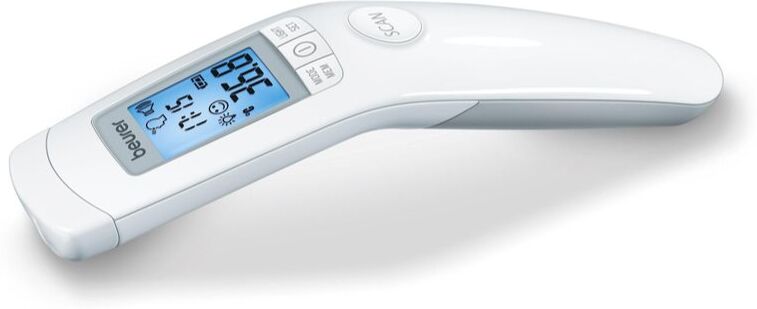
BEURER FT 90 thermomètre sans contact 1 pcsBEURER FT 90, 1 pcs, Thermomètres pour enfants pour homme, Le produit : sans contact fonction d’arrêt automatique écran rétroéclairé la température est mesurée en quelques secondes mesure la température à une distance de plusieurs centimètres signal sonore lorsque la température est élevée l’emballage comprend un étui grand écran mémoire de la dernière mesure signal sonore lorsque la mesure est terminée50,50 €*Shipping: 3,45 €Secure redirect to the provider
-
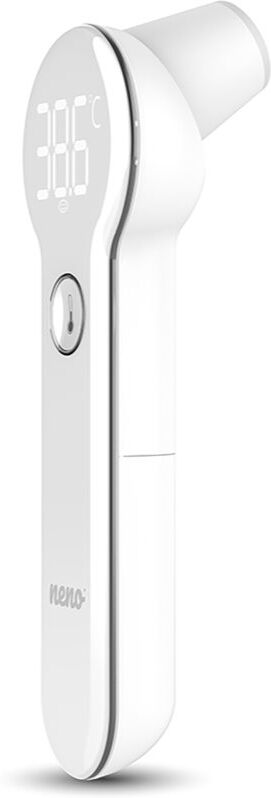
NENO Medic T08 thermomètre sans contact 1 pcsNENO Medic T08, 1 pcs, Thermomètres pour enfants pour enfant, Pour bien prendre soin de bébé, vous devriez toujours avoir le thermomètre pour bébé NENO Medic T08 chez vous. Ce thermomètre vous aidera à déterminer facilement et rapidement la température de votre bébé Le produit : sans contact la température est mesurée en quelques secondes grand écran écran rétroéclairé signal sonore lorsque la température est élevée33,72 €*Shipping: 3,45 €Secure redirect to the provider
-
Chicco Sunglasses 5 years+ lunettes de soleil Boy Black/Green 1 pcsChicco Sunglasses 5 years+, 1 pcs, Accessoires pour enfants pour enfant, Les yeux des enfants sont beaucoup plus sensibles aux rayons de soleil que ceux des adultes. Pensez à les protéger correctement. Les lunettes de soleil Chicco Sunglasses 5 years+ protégeront la vue des tout-petits, qu’ils gambadent en pleine nature ou se promènent en ville. Le produit : filtre 100 % des UVA, UVB et UVC monture très légère monture flexible, branches qui ne se brisent pas et ne restent pas déformées accessoire pratique idéal pour les promenades et les sorties8,30 €*Shipping: 3,45 €Secure redirect to the provider
-
Is possessiveness a disease?
Possessiveness is not considered a disease in the medical sense, but it can be a harmful trait that negatively impacts relationships and mental well-being. Excessive possessiveness can lead to controlling behavior, jealousy, and insecurity, which can strain relationships and cause distress for both the possessive individual and their partner. It is important to address possessiveness through communication, self-reflection, and potentially seeking therapy to work through underlying issues that may be contributing to this behavior. **
-
Is possessiveness also present in marriage?
Yes, possessiveness can be present in marriage. It can stem from feelings of insecurity, fear of losing one's partner, or a desire to control the relationship. While some level of possessiveness is normal in a romantic relationship, it can become unhealthy if it leads to jealousy, controlling behavior, or lack of trust. It is important for couples to communicate openly, set boundaries, and work on building trust to prevent possessiveness from negatively impacting their marriage. **
-
What is the difference between possessiveness and jealousy?
Possessiveness is the desire to control or own something or someone, often stemming from a sense of ownership or entitlement. It can manifest as wanting to have power over a person or object. Jealousy, on the other hand, is an emotional response to a perceived threat or loss of something valuable, such as a relationship or possession. It often involves feelings of insecurity, fear of abandonment, or competition with others. While possessiveness is more about control and ownership, jealousy is more about fear of losing something important. **
-
What can I do about my jealousy and possessiveness?
To address jealousy and possessiveness, it is important to first acknowledge and understand the root causes of these feelings. Reflect on past experiences or insecurities that may be contributing to these emotions. Practice open communication with your partner about your feelings and work together to build trust and reassurance. Additionally, focus on building your self-esteem and confidence to reduce feelings of insecurity that may be fueling jealousy. Seeking support from a therapist or counselor can also be beneficial in addressing and managing these emotions. **
Similar search terms for Possessiveness
-
Medela Contact™ Nipple Shields protège-mamelons d’allaitement M (20 mm) 2 pcsMedela Contact™ Nipple Shields, 2 pcs, Protège-mamelons d’allaitement pour femme, Les chapeaux d'allaitement Medela Contact™ Nipple Shields vous aideront à résoudre les problèmes liés à la tétée de votre bébé. Grâce à la forme et au matériel spécialement étudiés, ce moment plein de tendresse entre maman et bébé sera beaucoup plus agréable. Le produit : protège les mamelons douloureux et fissurés corrige les mamelons mal orientés ou plats procure au bébé une sensation confortable et naturelle à chaque tétée protection de forme spéciale permettant au bébé de se blottir contre le sein de la mère pendant la tétée adhère parfaitement au sein en silicone souple15,67 €*Shipping: 3,45 €Secure redirect to the provider
-
Dettol Soft on Skin Kids No-Touch Refill recharge pour doseur de savon sans contact Honey & Vanilla 250 mlDettol Soft on Skin Kids No-Touch Refill, 250 ml, Savons pour femme, Pour les moments où vous devez compter sur des mains parfaitement propres, Dettol Soft on Skin Kids No-Touch Refill le savon est votre meilleure option. Il nettoie efficacement la peau et élimine toutes les impuretés. Le produit : nettoie la peau parfum frais et agréable activité antimicrobienne recharge de savon pour distributeur sans contact Mode d’emploi : Appliquer une quantité appropriée de savon sur la peau humide des mains, faire mousser puis rincer à l'eau.4,20 €*Shipping: 3,45 €Secure redirect to the provider
-
Medela Contact™ Nipple Shields protège-mamelons d’allaitement S (16 mm) 2 pcsMedela Contact™ Nipple Shields, 2 pcs, Protège-mamelons d’allaitement pour femme, Les chapeaux d'allaitement Medela Contact™ Nipple Shields vous aideront à résoudre les problèmes liés à la tétée de votre bébé. Grâce à la forme et au matériel spécialement étudiés, ce moment plein de tendresse entre maman et bébé sera beaucoup plus agréable. Le produit : protège les mamelons douloureux et fissurés corrige les mamelons mal orientés ou plats procure au bébé une sensation confortable et naturelle à chaque tétée protection de forme spéciale permettant au bébé de se blottir contre le sein de la mère pendant la tétée adhère parfaitement au sein en silicone souple15,67 €*Shipping: 3,45 €Secure redirect to the provider
-
Medela Contact™ Nipple Shields protège-mamelons d’allaitement L (24 mm) 2 pcsMedela Contact™ Nipple Shields, 2 pcs, Protège-mamelons d’allaitement pour femme, Les chapeaux d'allaitement Medela Contact™ Nipple Shields vous aideront à résoudre les problèmes liés à la tétée de votre bébé. Grâce à la forme et au matériel spécialement étudiés, ce moment plein de tendresse entre maman et bébé sera beaucoup plus agréable. Le produit : protège les mamelons douloureux et fissurés corrige les mamelons mal orientés ou plats procure au bébé une sensation confortable et naturelle à chaque tétée protection de forme spéciale permettant au bébé de se blottir contre le sein de la mère pendant la tétée adhère parfaitement au sein en silicone souple15,67 €*Shipping: 3,45 €Secure redirect to the provider
-
What is the cause of jealousy: love or possessiveness?
Jealousy can stem from both love and possessiveness. Love can lead to jealousy when there is a fear of losing the affection and attention of a loved one to someone else. Possessiveness, on the other hand, can also lead to jealousy when there is a strong desire to control and own the other person. Both love and possessiveness can trigger feelings of insecurity and fear of losing the connection with the person, which can result in jealousy. Ultimately, the cause of jealousy can be a complex combination of love and possessiveness. **
-
Should I wear prescription sunglasses or contact lenses?
The decision between wearing prescription sunglasses or contact lenses depends on your personal preferences and lifestyle. If you prefer the convenience of not having to switch between glasses and sunglasses, contact lenses may be a better option. However, if you have sensitive eyes or prefer not to wear contact lenses, prescription sunglasses can provide protection from the sun while correcting your vision. It's best to consult with your eye care provider to determine which option is most suitable for your needs. **
-
Is the concept of human partnership, love, without jealousy and possessiveness not possible?
The concept of human partnership and love without jealousy and possessiveness is possible, but it requires a deep level of trust, communication, and emotional maturity from both partners. It involves understanding that each person is an individual with their own autonomy and freedom, and that love does not equate to ownership. It requires a secure attachment style and the ability to manage insecurities and fears. While it may be challenging, it is achievable through open and honest communication, mutual respect, and a commitment to personal growth. **
-
How does the desire for control manifest in relationships through possessiveness and dominance?
The desire for control in relationships can manifest through possessiveness by wanting to have ownership and control over the other person. This can lead to jealousy, monitoring their activities, and trying to limit their interactions with others. Dominance can manifest through the need to have power and authority over the other person, leading to controlling behavior, making all the decisions, and using manipulation or coercion to maintain control. Both possessiveness and dominance can create an unhealthy dynamic in a relationship, leading to feelings of suffocation, lack of autonomy, and ultimately, the erosion of trust and intimacy. **
* All prices are inclusive of VAT and, if applicable, plus shipping costs. The offer information is based on the details provided by the respective shop and is updated through automated processes. Real-time updates do not occur, so deviations can occur in individual cases. ** Note: Parts of this content were created by AI.