Buy vipoptic.be ?
We are moving the project
vipoptic.be .
Are you interested in purchasing the domain
vipoptic.be ?
domain@kv-gmbh.de · 0541-91531010
Buy vipoptic.be ?
Do angelfish eat snails?
Yes, angelfish are known to eat snails. They have a varied diet that includes small invertebrates like snails, insects, and crustaceans. Angelfish are opportunistic feeders and will consume snails if they come across them in their natural habitat. In a home aquarium, angelfish may also eat snails that are present as part of the tank's ecosystem. **
Is aggressive angelfish dangerous?
Aggressive angelfish can be dangerous to other fish in the aquarium, as they may bully or attack smaller or more passive fish. They can also be territorial and may become aggressive towards other angelfish or similar species. It is important to carefully consider the tank mates when keeping aggressive angelfish and provide plenty of hiding spots and space to reduce aggression. Additionally, monitoring their behavior and providing a well-balanced diet can help manage their aggression. **


Similar search terms for Angelfish
Top-Angebote
Products related to Angelfish:
-
Chicco Sunglasses 5 years+ lunettes de soleil Girl Blue/Pink 1 pcsChicco Sunglasses 5 years+, 1 pcs, Accessoires pour enfants pour enfant, Les yeux des enfants sont beaucoup plus sensibles aux rayons de soleil que ceux des adultes. Pensez à les protéger correctement. Les lunettes de soleil Chicco Sunglasses 5 years+ protégeront la vue des tout-petits, qu’ils gambadent en pleine nature ou se promènent en ville. Le produit : filtre 100 % des UVA, UVB et UVC monture très légère monture flexible, branches qui ne se brisent pas et ne restent pas déformées accessoire pratique idéal pour les promenades et les sorties8,30 €*Shipping: 3,45 €Secure redirect to the provider
-
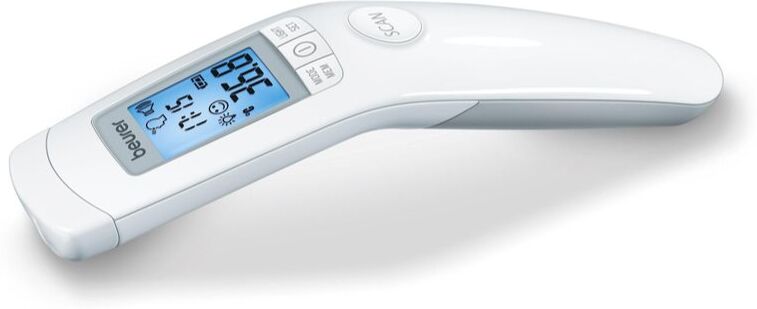
BEURER FT 90 thermomètre sans contact 1 pcsBEURER FT 90, 1 pcs, Thermomètres pour enfants pour homme, Le produit : sans contact fonction d’arrêt automatique écran rétroéclairé la température est mesurée en quelques secondes mesure la température à une distance de plusieurs centimètres signal sonore lorsque la température est élevée l’emballage comprend un étui grand écran mémoire de la dernière mesure signal sonore lorsque la mesure est terminée50,50 €*Shipping: 3,45 €Secure redirect to the provider
-
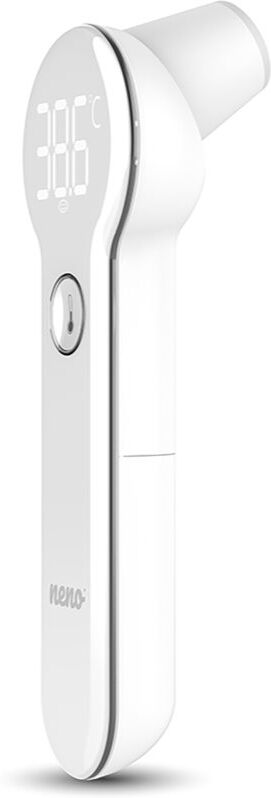
NENO Medic T08 thermomètre sans contact 1 pcsNENO Medic T08, 1 pcs, Thermomètres pour enfants pour enfant, Pour bien prendre soin de bébé, vous devriez toujours avoir le thermomètre pour bébé NENO Medic T08 chez vous. Ce thermomètre vous aidera à déterminer facilement et rapidement la température de votre bébé Le produit : sans contact la température est mesurée en quelques secondes grand écran écran rétroéclairé signal sonore lorsque la température est élevée33,72 €*Shipping: 3,45 €Secure redirect to the provider
-
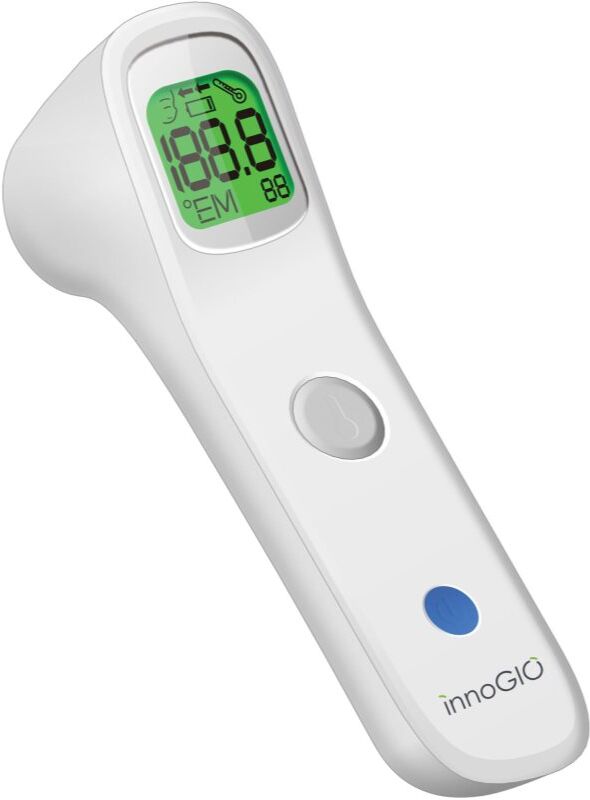
Lionelo Care Feverscan thermomètre sans contact 1 pcsLionelo Care Feverscan, 1 pcs, Thermomètres pour enfants pour femme, Pour bien prendre soin de bébé, vous devriez toujours avoir le thermomètre pour bébé Lionelo Care Feverscan chez vous. Ce thermomètre vous aidera à déterminer facilement et rapidement la température de votre bébé Le produit : sans contact écran rétroéclairé mémoire de la dernière mesure fonction d’arrêt automatique grand écran la température est mesurée en quelques secondes l’emballage comprend un étui24,61 €*Shipping: 3,45 €Secure redirect to the provider


-
Why do angelfish fight?
Angelfish are known to be territorial and aggressive, especially when it comes to defending their territory or establishing dominance within a group. They may fight over food, mating rights, or simply to establish their place in the social hierarchy. Additionally, angelfish may also fight when they feel threatened or stressed, such as when they are introduced to a new environment or when there is a lack of hiding spots in their tank. Overall, angelfish fight as a way to establish and maintain their social structure and territory. **
-
How do angelfish reproduce?
Angelfish reproduce by engaging in a courtship ritual where the male and female swim together, displaying their fins and colors to each other. Once a pair has formed, they will find a suitable location to lay their eggs, typically on a flat surface like a leaf or rock. The female will then lay the eggs, and the male will fertilize them externally by releasing his sperm over the eggs. The parents will then guard and care for the eggs until they hatch, usually within a few days. **
-
How does the angelfish die?
The angelfish dies when it is unable to adapt to changes in its environment, such as fluctuations in water temperature, poor water quality, or lack of proper nutrition. Additionally, angelfish can also die from diseases, parasites, or injuries. It is important for angelfish owners to provide a stable and clean environment for their fish, as well as proper nutrition and regular monitoring of their health to prevent premature death. **
-
What to do when angelfish are chasing another, smaller angelfish and it just lies around?
When angelfish are chasing another, smaller angelfish and it just lies around, it may be a sign of stress or aggression. It's important to separate the aggressor angelfish from the smaller one to prevent any harm. You can do this by using a tank divider or by moving the aggressor to a different tank temporarily. Additionally, ensure that the tank has plenty of hiding spots and visual barriers to reduce stress for the smaller angelfish. Observing the behavior of the fish and addressing any aggression or stress is crucial for maintaining a healthy and harmonious aquarium environment. **

Are my angelfish attacking each other?
Angelfish are known to be territorial and can exhibit aggressive behavior towards each other, especially when they feel their territory is being invaded or when they are competing for food or mates. Signs of aggression in angelfish include chasing, nipping, and fin damage. If you notice these behaviors in your angelfish, it is possible that they are attacking each other. It is important to monitor their behavior closely and provide plenty of hiding spots and space to reduce aggression in the tank. **
Can you keep angelfish in pairs?
Angelfish are known to be territorial and can be aggressive towards each other, especially when kept in pairs. It is generally recommended to keep angelfish in groups of at least five to help disperse aggression and establish a hierarchy within the group. Keeping angelfish in pairs may lead to one fish dominating the other, causing stress and potential harm to the subordinate fish. **
Top-Angebote
Products related to Angelfish:
-
Chicco Sunglasses 5 years+ lunettes de soleil Girl Blue/Pink 1 pcsChicco Sunglasses 5 years+, 1 pcs, Accessoires pour enfants pour enfant, Les yeux des enfants sont beaucoup plus sensibles aux rayons de soleil que ceux des adultes. Pensez à les protéger correctement. Les lunettes de soleil Chicco Sunglasses 5 years+ protégeront la vue des tout-petits, qu’ils gambadent en pleine nature ou se promènent en ville. Le produit : filtre 100 % des UVA, UVB et UVC monture très légère monture flexible, branches qui ne se brisent pas et ne restent pas déformées accessoire pratique idéal pour les promenades et les sorties8,30 €*Shipping: 3,45 €Secure redirect to the provider
-
BEURER FT 90 thermomètre sans contact 1 pcsBEURER FT 90, 1 pcs, Thermomètres pour enfants pour homme, Le produit : sans contact fonction d’arrêt automatique écran rétroéclairé la température est mesurée en quelques secondes mesure la température à une distance de plusieurs centimètres signal sonore lorsque la température est élevée l’emballage comprend un étui grand écran mémoire de la dernière mesure signal sonore lorsque la mesure est terminée50,50 €*Shipping: 3,45 €Secure redirect to the provider
-
Do angelfish eat snails?
Yes, angelfish are known to eat snails. They have a varied diet that includes small invertebrates like snails, insects, and crustaceans. Angelfish are opportunistic feeders and will consume snails if they come across them in their natural habitat. In a home aquarium, angelfish may also eat snails that are present as part of the tank's ecosystem. **
-
Is aggressive angelfish dangerous?
Aggressive angelfish can be dangerous to other fish in the aquarium, as they may bully or attack smaller or more passive fish. They can also be territorial and may become aggressive towards other angelfish or similar species. It is important to carefully consider the tank mates when keeping aggressive angelfish and provide plenty of hiding spots and space to reduce aggression. Additionally, monitoring their behavior and providing a well-balanced diet can help manage their aggression. **
-
Why do angelfish fight?
Angelfish are known to be territorial and aggressive, especially when it comes to defending their territory or establishing dominance within a group. They may fight over food, mating rights, or simply to establish their place in the social hierarchy. Additionally, angelfish may also fight when they feel threatened or stressed, such as when they are introduced to a new environment or when there is a lack of hiding spots in their tank. Overall, angelfish fight as a way to establish and maintain their social structure and territory. **
-
How do angelfish reproduce?
Angelfish reproduce by engaging in a courtship ritual where the male and female swim together, displaying their fins and colors to each other. Once a pair has formed, they will find a suitable location to lay their eggs, typically on a flat surface like a leaf or rock. The female will then lay the eggs, and the male will fertilize them externally by releasing his sperm over the eggs. The parents will then guard and care for the eggs until they hatch, usually within a few days. **
Similar search terms for Angelfish
-
NENO Medic T08 thermomètre sans contact 1 pcsNENO Medic T08, 1 pcs, Thermomètres pour enfants pour enfant, Pour bien prendre soin de bébé, vous devriez toujours avoir le thermomètre pour bébé NENO Medic T08 chez vous. Ce thermomètre vous aidera à déterminer facilement et rapidement la température de votre bébé Le produit : sans contact la température est mesurée en quelques secondes grand écran écran rétroéclairé signal sonore lorsque la température est élevée33,72 €*Shipping: 3,45 €Secure redirect to the provider
-
Lionelo Care Feverscan thermomètre sans contact 1 pcsLionelo Care Feverscan, 1 pcs, Thermomètres pour enfants pour femme, Pour bien prendre soin de bébé, vous devriez toujours avoir le thermomètre pour bébé Lionelo Care Feverscan chez vous. Ce thermomètre vous aidera à déterminer facilement et rapidement la température de votre bébé Le produit : sans contact écran rétroéclairé mémoire de la dernière mesure fonction d’arrêt automatique grand écran la température est mesurée en quelques secondes l’emballage comprend un étui24,61 €*Shipping: 3,45 €Secure redirect to the provider
-
How does the angelfish die?
The angelfish dies when it is unable to adapt to changes in its environment, such as fluctuations in water temperature, poor water quality, or lack of proper nutrition. Additionally, angelfish can also die from diseases, parasites, or injuries. It is important for angelfish owners to provide a stable and clean environment for their fish, as well as proper nutrition and regular monitoring of their health to prevent premature death. **
-
What to do when angelfish are chasing another, smaller angelfish and it just lies around?
When angelfish are chasing another, smaller angelfish and it just lies around, it may be a sign of stress or aggression. It's important to separate the aggressor angelfish from the smaller one to prevent any harm. You can do this by using a tank divider or by moving the aggressor to a different tank temporarily. Additionally, ensure that the tank has plenty of hiding spots and visual barriers to reduce stress for the smaller angelfish. Observing the behavior of the fish and addressing any aggression or stress is crucial for maintaining a healthy and harmonious aquarium environment. **
-
Are my angelfish attacking each other?
Angelfish are known to be territorial and can exhibit aggressive behavior towards each other, especially when they feel their territory is being invaded or when they are competing for food or mates. Signs of aggression in angelfish include chasing, nipping, and fin damage. If you notice these behaviors in your angelfish, it is possible that they are attacking each other. It is important to monitor their behavior closely and provide plenty of hiding spots and space to reduce aggression in the tank. **
-
Can you keep angelfish in pairs?
Angelfish are known to be territorial and can be aggressive towards each other, especially when kept in pairs. It is generally recommended to keep angelfish in groups of at least five to help disperse aggression and establish a hierarchy within the group. Keeping angelfish in pairs may lead to one fish dominating the other, causing stress and potential harm to the subordinate fish. **
* All prices are inclusive of VAT and, if applicable, plus shipping costs. The offer information is based on the details provided by the respective shop and is updated through automated processes. Real-time updates do not occur, so deviations can occur in individual cases. ** Note: Parts of this content were created by AI.